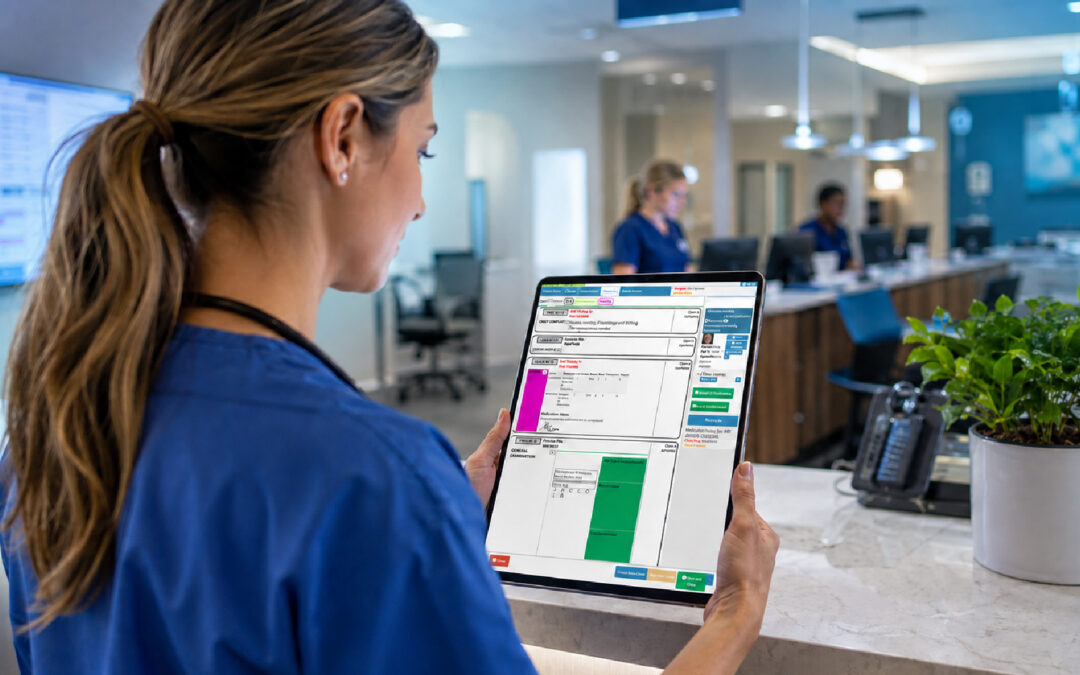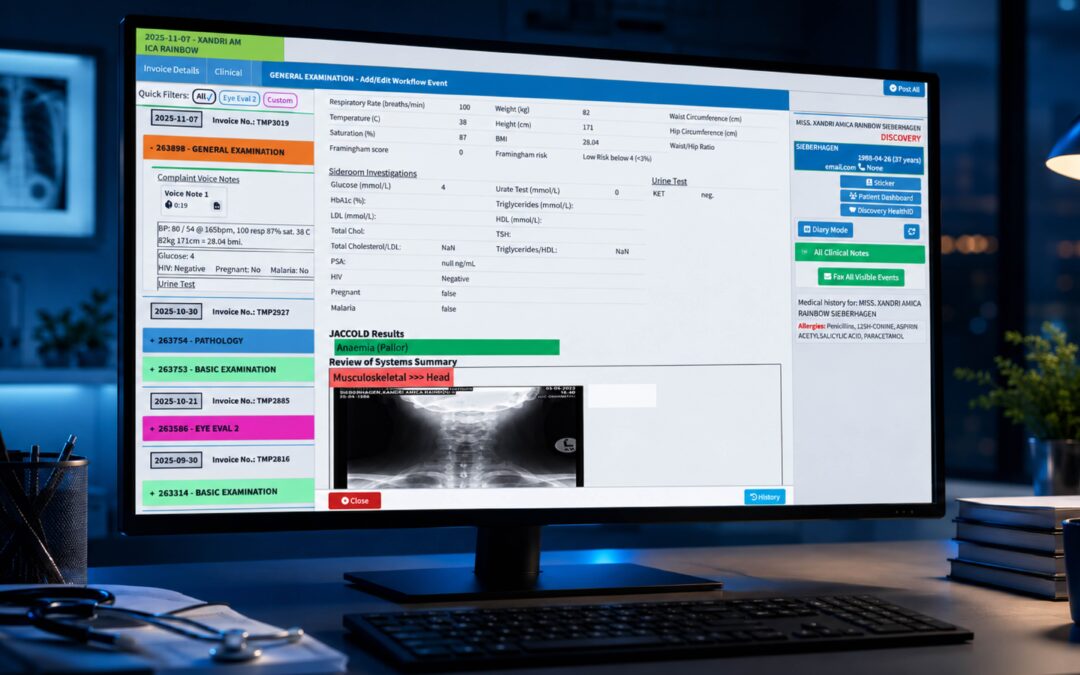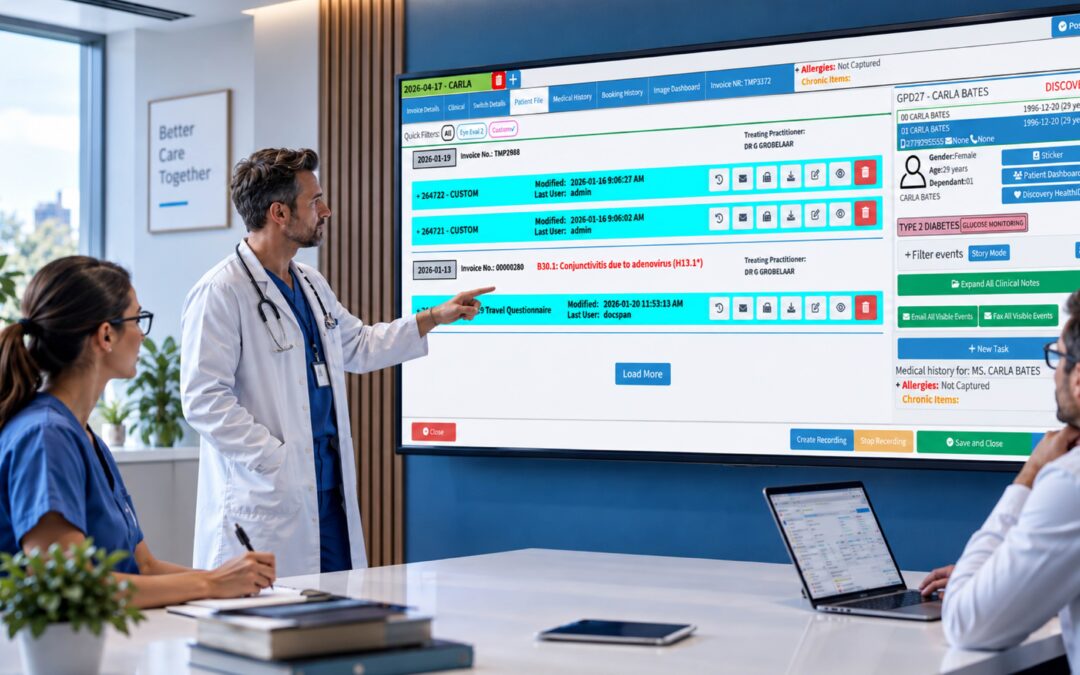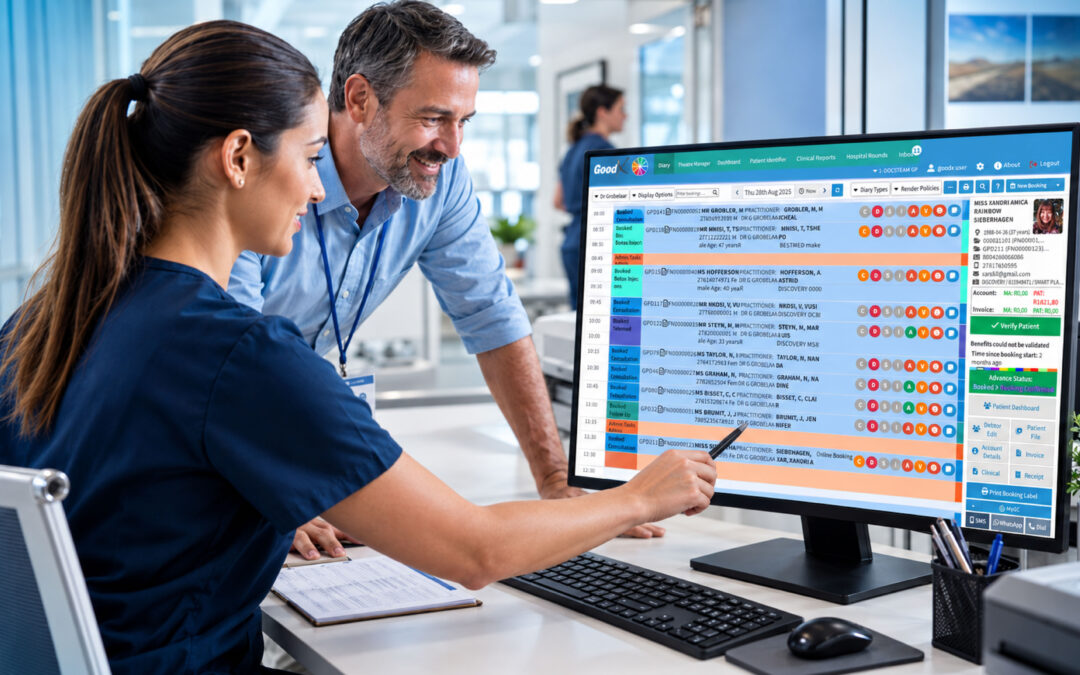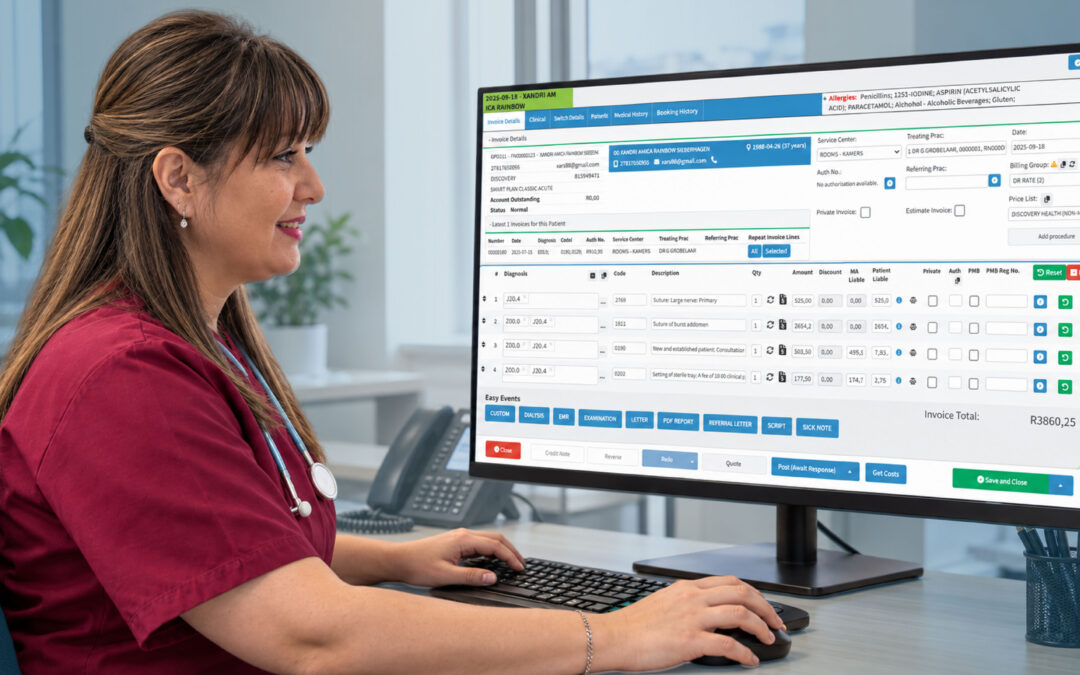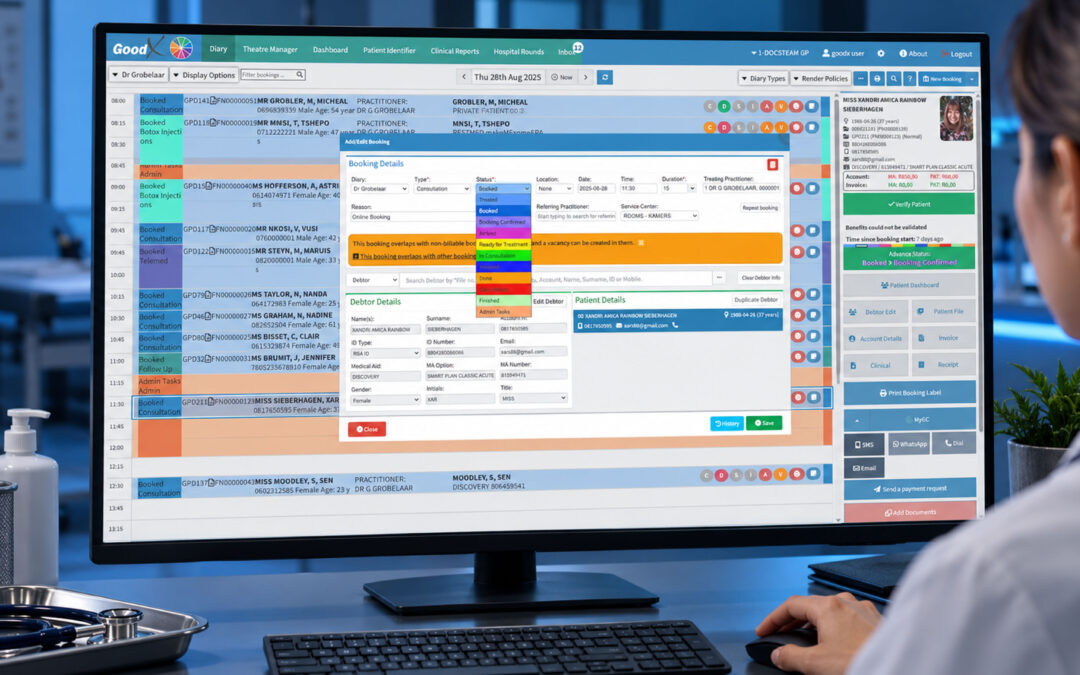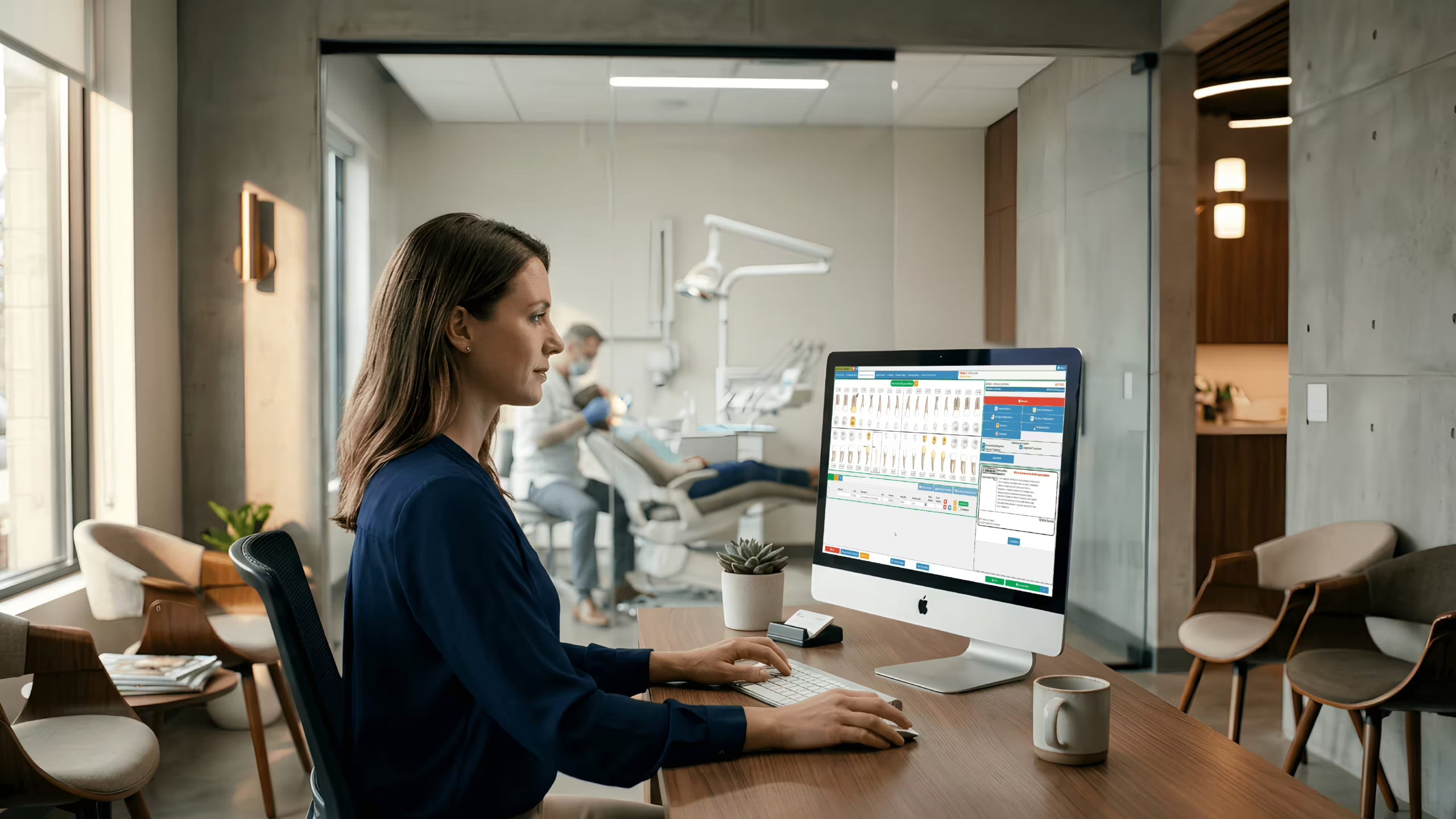
Running a dental practice involves far more than clinical skill and patient care. Every day, your team manages hundreds of moving parts: appointments, patient records, insurance claims, staff schedules, and compliance requirements. The administrative load can consume 30-40% of your staff time and, without the right systems, drain both productivity and revenue. Technology has fundamentally changed what is possible for dental office management. Modern practice management software automates routine tasks, reduces errors, and gives your team visibility over operations in real time. The result is a practice that runs smoother, costs less to administer, and delivers better patient care.
Dental Practice Management: The Foundation of a Thriving Practice
What Dental Practice Management Actually Covers
Dental practice management encompasses the full range of administrative and operational activities that keep a practice running. This includes appointment scheduling (ensuring chairs stay booked and minimize gaps), patient records management (clinical notes, treatment plans, medical history), billing and insurance claims processing (submitting claims accurately and following up on denials), staff coordination (scheduling, task assignment, training), and compliance tracking (regulatory requirements, infection control protocols, license renewal dates). Dental practice management companies specialize in software purpose-built for these exact needs, integrating these functions into a single platform so that no task falls through the cracks.
A well-designed practice management system becomes the operational backbone of your practice. It captures every patient interaction, tracks every treatment, documents every procedure, and automates routine communications. Without it, these tasks rely on manual processes: paper schedules, fragmented email threads, and spreadsheets that quickly become outdated. The more your team grows, the more these manual systems slow you down and create errors.
The software also provides transparency. Practice managers and owners can see real-time data on key metrics: how many appointments are scheduled each week, how many claims were submitted and paid, which team members handled which tasks, and where bottlenecks occur. This visibility enables informed decision-making and continuous improvement.
The Cost of Getting Administration Wrong
When administrative systems fail, the costs add up quickly. Missed appointments mean empty chairs and lost revenue; no-shows that could have been prevented with better reminders. Billing errors, duplicate claims, and missed insurance codes mean claims are rejected or paid at lower rates than they should be. Poor patient records lead to duplicate tests, missed treatment opportunities, and risk of clinical errors. Staff working without clear visibility into the schedule or task assignments means duplication of effort and wasted time. These failures individually seem small, but collectively they can cost a practice tens of thousands of dollars annually.
Beyond the financial impact, administrative failures damage patient experience. Long wait times, billing confusion, and lost records frustrate patients and erode trust. In an industry where reputation and referrals drive growth, a poorly run front office can undermine even excellent clinical work. Patients notice when scheduling is smooth, communications are clear, and their records are accurate. They return and refer friends. Conversely, administrative chaos leads to negative reviews and lost referrals.
Managing a Dental Office: Practical Challenges and Smart Solutions
Appointment Scheduling and Chair Time Optimisation
Appointment scheduling is one of the most critical operational levers in a dental practice. Every empty chair is lost revenue. Every double-booking creates stress and delays. Every missed appointment reminder that could have been sent is a wasted slot. Manual scheduling systems (paper schedules, basic calendar software) are prone to errors and don’t surface opportunities to fill gaps. A dedicated practice management system offers real-time visibility into chair availability, sends automated appointment reminders via SMS and email, and flags patients who are likely to miss their appointments so staff can follow up.
Smart scheduling also considers treatment type and duration. Different procedures require different chair times and different hygienist or associate availability. Modern systems help schedule procedures into appropriate time slots and avoid overbooking. Some systems even use historical data to predict which appointment times are most likely to be kept, helping you stagger bookings strategically. For more on best practices in dental care delivery, visit the American Dental Association.
Optimization extends beyond the appointment book. Good scheduling data helps you understand demand patterns: are mornings or afternoons busier? Do certain days of the week fill up faster? What types of procedures drive your revenue? This insight helps you staff appropriately and plan your marketing and patient outreach.
Billing and Revenue Cycle Management
Billing is a major source of leakage in dental practices. Claims are submitted with incorrect codes, missing information, or are sent to the wrong insurance company. Claims are denied and never resubmitted. Patient balances are not followed up. Insurance pre-authorizations are forgotten, leaving the practice at financial risk. These errors can individually cause a practice to lose hundreds or thousands of dollars and collectively represent a significant drag on profitability. Dental practice consultants often identify billing inefficiencies as one of the fastest wins in an operational improvement engagement.
A comprehensive practice management system automates much of this workflow. It codes procedures at the point of capture, submits claims electronically to insurers, tracks claims status, flags claims at risk of denial, and generates patient statements. It can also manage pre-authorizations, ensure consent is documented, and track patient payment history. The result is faster payment, higher first-pass claim acceptance, and fewer dollars left on the table. For information on global health standards and oral health guidance, refer to World Health Organization for context on international standards.
Integration with accounting systems also means that financial data flows cleanly from clinical operations into accounting and reporting. This simplifies financial management and gives practice owners accurate, timely visibility into profitability by service line, provider, or location.
Staff Coordination and Communication
A dental practice is a team sport. Clinical staff (dentists, hygienists, assistants) need to coordinate patient flow and share information about treatment plans and clinical notes. Administrative staff need to coordinate scheduling, insurance follow-up, and patient communication. Without a central system, this coordination relies on informal communication: quick conversations, handwritten notes, or fragmented messaging. As your practice grows, this breaks down. Tasks fall through the cracks, information is lost, and duplication increases.
Practice management software provides a shared workspace where all team members can see tasks, assignments, and updates in real time. Treatment plans are visible to admin staff, so they can communicate costs and insurance implications to the patient. Reminder lists help ensure no follow-up is forgotten. Internal messaging tools reduce reliance on side conversations. For larger practices, role-based permissions ensure that each team member sees and can modify only what they need to, protecting clinical and financial information.
Dental Office Managers Association: Professional Standards in Dental Administration
Why Professional Standards Matter
Dental office management has evolved into a profession in its own right. Dental office managers association and similar bodies have established standards for best practices in administration, billing, compliance, and operations. These standards reflect decades of collective experience and help define what excellence looks like. Practices that align with these standards tend to be more efficient, have higher staff retention, and deliver better patient outcomes.
Standards-driven administration also builds consistency across teams. When all staff follow the same protocols for scheduling, billing, and patient communication, patients experience a uniform practice culture. This consistency extends to compliance. Regulated industries like healthcare must meet multiple standards (HIPAA in the US, GDPR in Europe, etc.). A practice built on standard protocols is more likely to stay compliant and avoid costly violations.
Adopting professional standards also matters for staff. Many dental office managers pursue certification through their professional associations, demonstrating competence and commitment to the field. Practices that invest in certified managers tend to have lower turnover and higher operational maturity. It signals to team members that the practice values administrative excellence.
How Technology Supports Professional Standards
Modern practice management software is designed with these standards in mind. The systems are built to support the workflows and protocols that professional associations recommend. This means that when you implement the software correctly, you are inherently moving toward standards-driven administration. Training is built into the software, and best-practice configurations are often baked in as defaults.
Software also helps practices meet compliance standards. HIPAA-compliant systems ensure that patient data is encrypted, access is logged, and backups are maintained. Regulatory reporting is automated, reducing the manual effort and human error. For international practices, standards aligned with organizations like the FDI World Dental Federation help ensure that practices meet global best practices regardless of local regulations.
Additionally, software provides documentation and audit trails. When a practice is audited (by insurance companies, regulators, or attorneys), having comprehensive records and clear workflows makes the process far simpler. Systems also generate compliance reports automatically, showing that the practice is meeting its obligations.
Transitions Dental Practice Management: Planning for Change
Dental practices go through major transitions: ownership changes, mergers, new associate doctors joining, expansion to new locations, or retirement of founders. These transitions are high-risk periods. Operational continuity is critical. Patients must keep seeing their dentists. Claims must keep flowing. Staff must keep getting paid. New owners or associates must get up to speed on operations without disrupting patient care.
Transitions dental practice management is a specialized discipline that focuses on maintaining operational stability during these periods. Good practice management software is central to this. When operations are documented in a system (rather than in one person’s head or in scattered files), new team members can get up to speed faster. Patient records, billing workflows, and schedules are consistent and transparent. Decisions can be made based on data, not on informal knowledge.
Software also helps manage the financial and clinical complexities of transitions. If a new associate is joining, the system helps allocate patients and revenue appropriately. If a practice is merging with another, systems can be integrated to consolidate patient records and financial data. If an owner is retiring, the incoming owner has full visibility into operations from day one. This reduces stress, accelerates the transition, and minimizes revenue disruption.
Frequently Asked Questions
What is dental office practice management software? Dental office practice management software is a platform that centralizes the administrative operations of a dental practice. It typically covers appointment scheduling, patient record management, billing and insurance claims, staff coordination, and reporting. The best platforms reduce manual admin, improve billing accuracy, and give practice managers a clear view of operations in real time.
How do dental practice management companies support smaller practices? Dental practice management companies provide software platforms designed to handle the full administrative workflow of a dental office. For smaller practices with limited admin staff, these solutions automate repetitive tasks like appointment reminders, claim submission, and statement generation, freeing up time for patient care while reducing the risk of errors and revenue leakage.
What role do dental practice consultants play in improving practice efficiency? Dental practice consultants help practices identify operational inefficiencies, optimize workflows, and select the right technology for their needs. Many consultants work alongside software implementations to ensure that practices configure their systems correctly and train staff thoroughly, maximizing the return on their technology investment and improving both clinical and financial outcomes.
What does transitions dental practice management involve? Transitions dental practice management refers to managing the administrative and operational aspects of a practice during periods of significant change, such as an ownership transfer, a new associate joining, or an expansion to multiple locations. Good practice management software supports continuity through transitions by maintaining accurate records, stable billing workflows, and consistent patient communication.
How can dental office management software improve the patient experience? Dental office management software improves patient experience by enabling efficient appointment booking, timely reminders, shorter wait times, and clear billing communication. When administrative workflows run smoothly, clinical staff have more time to focus on patient care. Features like patient portals and digital intake forms also make the practice experience more convenient for patients.
Transform Your Dental Practice with GoodX
GoodX provides a comprehensive practice management platform designed for dental and healthcare providers worldwide. Whether you run a single-location practice or manage multiple offices, GoodX centralizes your operations, streamlines your workflows, and gives you the insights you need to run an efficient, profitable practice. From appointment scheduling to billing to staff coordination, GoodX handles the administrative load so your team can focus on what matters most: excellent patient care.
Ready to see what GoodX can do for your practice?