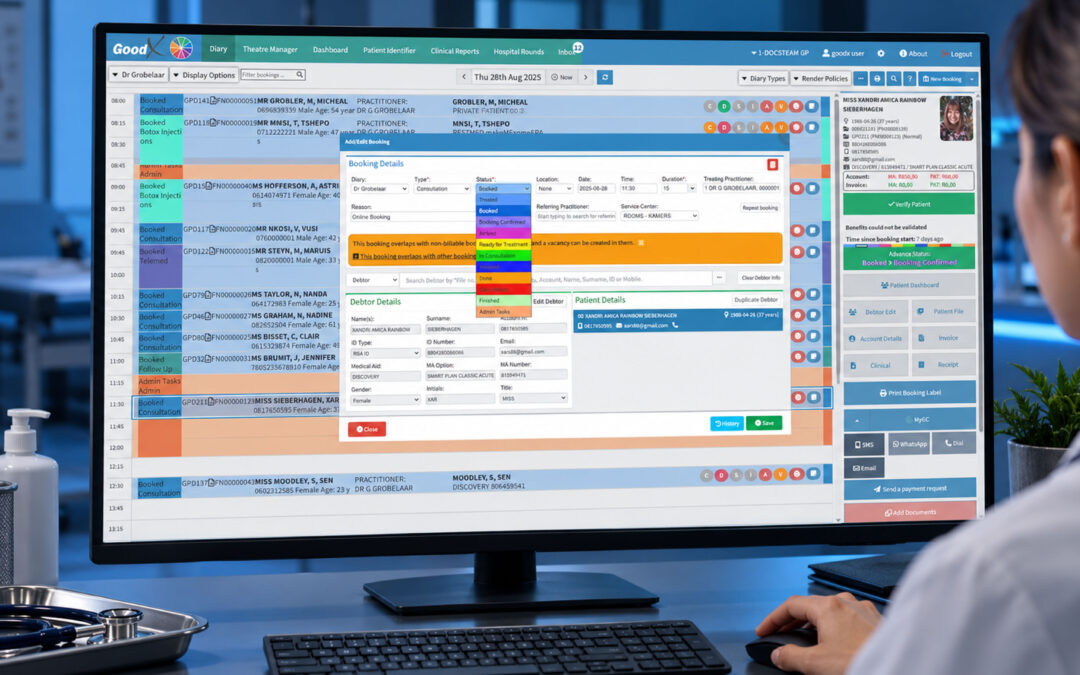
Ontario healthcare providers work at the intersection of provincial OHIP coverage and private practice administration. Unlike single-payer jurisdictions, Ontario practices juggle electronic claims to the provincial plan alongside private insurance billing, fee-for-service arrangements, and complex payment reconciliation. The right medical billing software can transform this complexity into streamlined operations. When practices choose software built for Ontario healthcare, they gain compliance with provincial billing requirements, automated OHIP claim submission, and the ability to manage multiple payers without administrative gridlock.
In this guide, we explore the medical billing software solutions Ontario healthcare providers rely on, the features that matter most, and how to choose a platform that scales with your practice. GoodX provides specialized tools designed to navigate these specific Canadian billing challenges.
Ontario Ministry of Health sets the standards for OHIP billing, and cloud-based systems automatically align with these provincial requirements, so your practice remains compliant as regulations evolve. Healthcare providers often reference the Ontario Medical Association for updated fee schedules and best practices regarding the Schedule of Benefits to ensure their software configurations remain accurate.
Medical Billing Software for Small Business: Finding the Right Fit for Ontario Practices
What Small Practices in Ontario Actually Need
Small Ontario practices operate on tight margins, which means billing software must deliver value without enterprise pricing. These practices typically bill through OHIP for most services, supplement with private insurance for additional coverage, and manage a modest volume of fee-for-service patients. Medical billing software for small business in Ontario needs to handle three core functions: fast, accurate OHIP electronic claim submission; private insurance claim management; and clear fee schedule setup that reflects Ontario billing requirements. Many small practices also need patient statement generation, payment tracking, and basic reporting without overwhelming complexity.
The reality is that small Ontario practices cannot afford billing errors or slow claim processing. When medical billing software is purpose-built for small business, it eliminates manual data entry, reduces claim rejections, and gives practice staff confidence that billing is running correctly in the background. Cost matters, but ease of use matters more: software that requires extensive training drains time and money from practices that can least afford it.
Cloud-Based vs On-Premise: What Works for Small Ontario Practices
Cloud-based medical billing software has become the standard for small Ontario practices. Cloud platforms eliminate the need for expensive servers, complex IT maintenance, and costly upgrades. Instead, practices access billing tools from any computer, any location, with automatic software updates and data backups handled by the provider. For small practices without dedicated IT staff, this simplicity is transformative. Billing staff can work from the clinic, from home, or from a satellite location, and patient data stays secure in the cloud without practices needing to invest in infrastructure.
On-premise software still exists, but it suits hospital networks and large multi-location practices with IT resources to manage servers and security. Small Ontario practices benefit far more from cloud software that stays current with provincial billing regulation changes. When Ontario fee schedules are updated or OHIP submission requirements change, cloud platforms push updates automatically. Practices stay compliant without manual intervention.
Medical Billing Systems: What Ontario Healthcare Providers Need
Core Features of Effective Medical Billing Systems
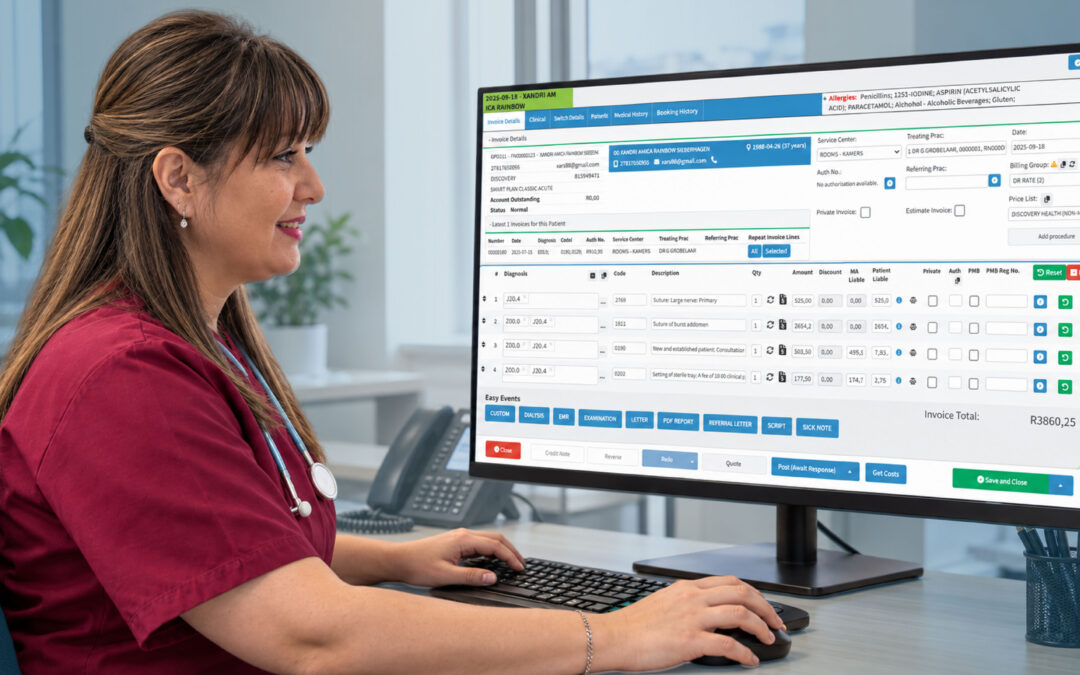
An effective medical billing system starts with claim creation and submission. The system captures visit details, applies the correct billing codes, and submits claims electronically to OHIP or private insurers. But claim submission is just the beginning. A complete billing system must track claim status, identify rejections quickly, and manage resubmission workflows. When a claim is rejected, practices lose time if they cannot see why, reconstruct the claim, and resubmit without manual rework. Effective medical billing systems flag rejections immediately and guide staff toward resolution.
Beyond submission, strong billing systems include insurance verification, allowing practices to confirm patient coverage before the visit. Payment reconciliation ensures that when funds arrive, they are matched to the correct patient and claim, eliminating confusion during accounting. Comprehensive reporting shows what was billed, what was collected, what is outstanding, and what bottlenecks exist in the revenue cycle.
Health Canada and provincial regulators require billing systems to maintain audit trails and comply with healthcare privacy standards, so systems must include robust security and compliance logging. Adherence to national data standards, such as those maintained by the Canadian Institute for Health Information, ensures that practice data is interoperable and meets high-level analytical requirements.
Integration with Clinical Workflows
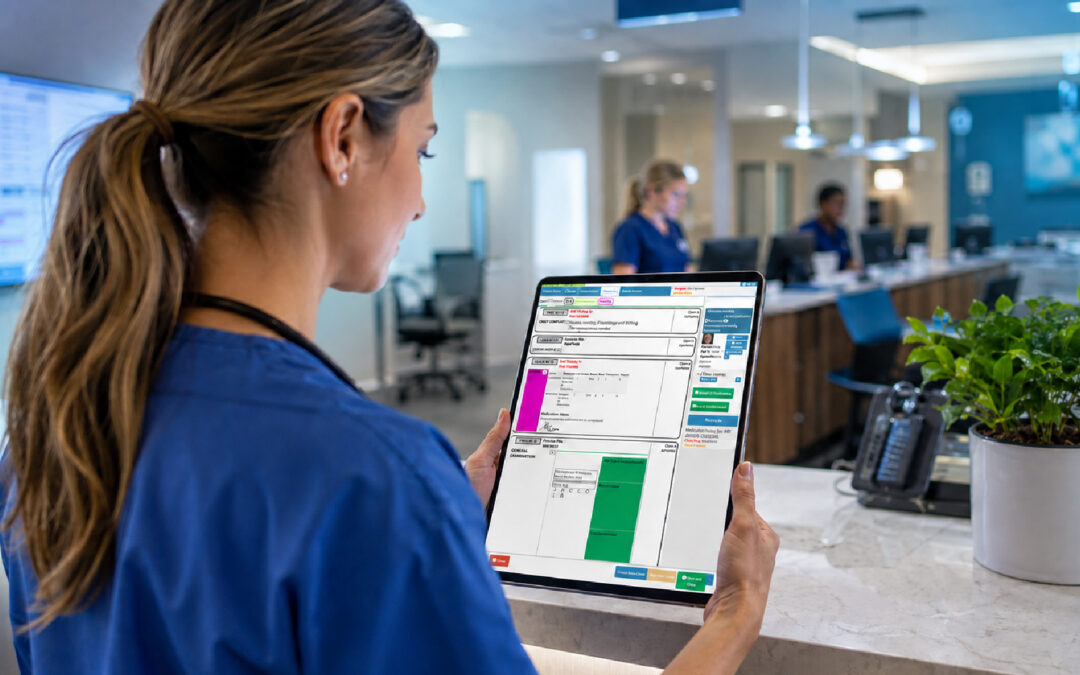
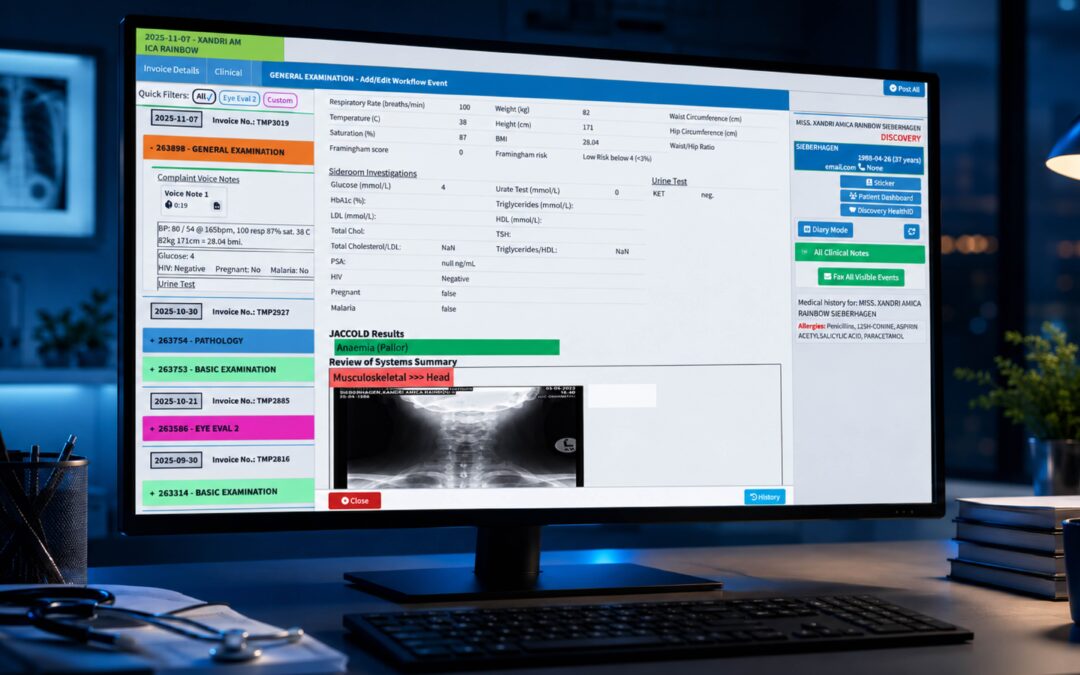
Billing software that lives in isolation from clinical operations creates extra work. The best medical billing systems integrate seamlessly with electronic health record systems and appointment scheduling, so billing information flows automatically from the patient visit into the billing engine. When a provider completes an appointment in the EHR, the visit data populates the billing system with minimal manual entry. Billing staff spend time on exception handling and follow-up, not data entry.
This distinction matters significantly. Small practices that adopt fragmented tools spend hours transferring data between systems, creating opportunities for errors. Integrated systems reduce administrative friction and improve data accuracy. Hospital billing software serves a different purpose: large hospitals have separate billing departments and complex departmental cost accounting, so integration with hospital information systems takes a different form than practice-level billing platforms.
Insurance Billing Software: Managing the Complexity of Canadian Coverage
Canadian insurance billing is complex because coverage varies dramatically. OHIP covers core services in Ontario, but coverage boundaries are strict. Private supplementary insurance fills gaps. Out-of-province patients complicate matters further. Insurance billing software in Canada must manage multiple payers, different fee schedules, coverage rules, and billing workflows in a single platform.
Ontario practices often bill OHIP as primary and private insurance as secondary, with the system applying rules to determine what each payer covers. When insurance billing software handles this complexity poorly, practices either overbill (submitting claims to private insurance that should go to OHIP) or leave money on the table (missing private billing opportunities). The right software applies payer rules accurately and reports on each insurance stream separately, giving practices visibility into what they are collecting from OHIP versus private sources. To keep pace with modern digital health expectations, providers should follow updates from Health Canada regarding eHealth initiatives and legislation like the Connected Care for Canadians Act.
Billing Programs: Key Features That Drive Practice Efficiency
Automation and Claim Submission
Automation is where billing programs deliver the greatest return on investment. When practices set up billing rules and workflows in their program, routine claims submit with minimal human intervention. Batch processing allows billing staff to review a set of claims, approve them together, and send them to OHIP or insurers in one action, rather than processing claims one at a time.
Good billing programs catch errors before submission. The system validates claim data against OHIP requirements, checks that billing codes match patient age and gender, and flags unusual patterns. Practices that submit clean claims see faster approvals and better cash flow. Billing programs that catch errors before rejection reduce the administrative burden of rework and resubmission, directly improving the bottom line.
Reporting and Revenue Cycle Analytics
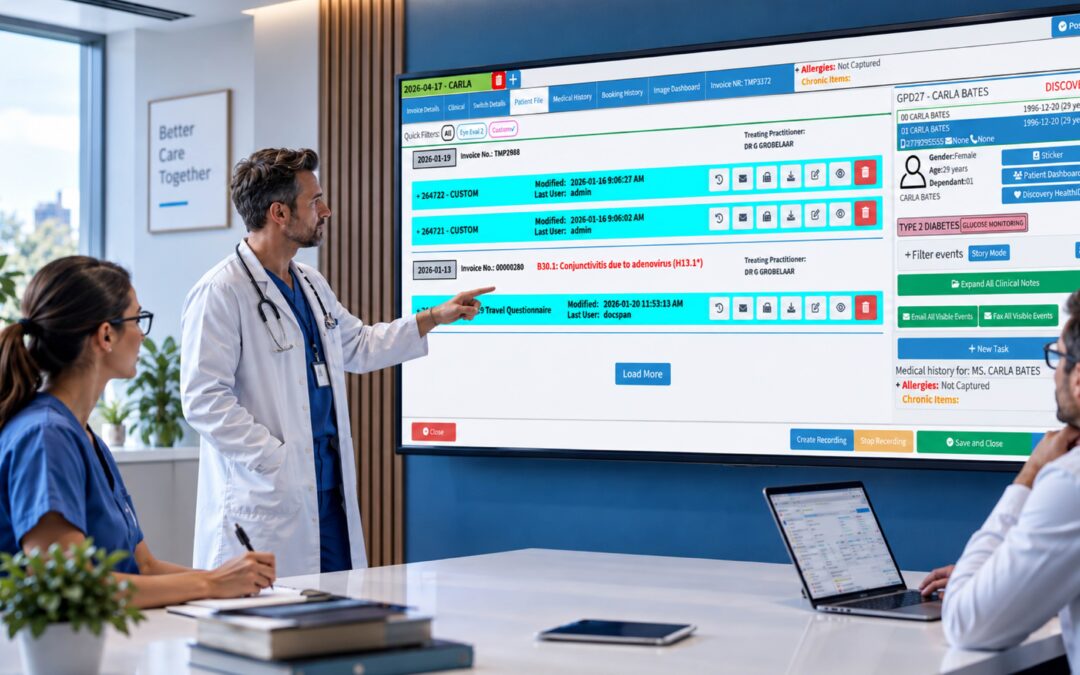
Reporting transforms billing data into actionable intelligence. Effective billing programs show practice leadership where revenue is coming from, where claims are bottlenecked, and where rejections are concentrated. Is one provider coding incorrectly? Is one insurer rejecting claims at a higher rate? Are denials trending upward? Good reporting answers these questions so practices can act.
Revenue cycle analytics go deeper. When a billing program tracks claim submission date, approval date, and payment date, practices see their cash conversion cycle and can identify inefficiencies. Some practices discover that private insurance claims take much longer to pay than OHIP, prompting them to follow up more aggressively or adjust patient fee arrangements. Reporting turns billing from a back-office cost center into a source of business insight.
Medical Billing Platforms: What Separates Good from Great
Leading medical billing platforms stand apart because they combine powerful functionality with deep local expertise. Good platforms understand Ontario billing requirements, OHIP submission rules, and the realities of small practice operations. They are built by teams that have managed the problems they solve, not just coded solutions from specification.
The best medical billing platforms support the full revenue cycle from patient registration through payment reconciliation. They integrate with clinical workflows, adapt to different practice models (fee-for-service, OHIP-heavy, private-heavy), and scale as your practice grows. Support quality matters enormously: when billing questions arise, practices need expert local support, not offshore support centers that lack familiarity with Ontario healthcare. Scalability ensures that the platform you adopt today will serve your practice whether you stay solo or grow into a multi-provider group.
Compliance is non-negotiable. Medical billing platforms must remain current with Ontario billing guidelines, privacy regulations, and security standards. Platforms that include automatic regulatory updates, audit logging, and built-in compliance workflows protect practices from costly errors.
Frequently Asked Questions
What is the best medical billing software for Ontario practices?
The best medical billing software for Ontario practices combines OHIP claim submission, private insurance billing, and strong reporting in one platform. Look for software with Canadian compliance features, robust local support, and seamless integration with your clinical workflows. The right choice depends on your practice size, specialty, and whether you bill predominantly through OHIP or private insurance.
What medical billing systems do small practices in Ontario typically use?
Small Ontario practices typically use cloud-based medical billing systems that handle OHIP claim submission alongside private insurance billing. These systems need to be cost-effective, easy to set up, and compliant with Ontario billing guidelines. Many small practices prefer integrated platforms that combine billing with appointment scheduling and patient records to reduce administrative overhead.
What are billing programs used for in Canadian healthcare?
Billing programs in Canadian healthcare handle the full cycle from patient visit to payment collection. This includes claim creation and submission, rejection tracking and resubmission, payment reconciliation, and financial reporting. In Ontario specifically, billing programs must support OHIP electronic claims submission and manage the complexities of private supplementary insurance alongside provincial coverage.
How does hospital billing software differ from practice-level billing platforms?
Hospital billing software is designed for high-volume, multi-department environments with complex coding requirements, departmental cost accounting, and integration with hospital information systems. Practice-level billing platforms focus on the workflow of individual clinicians or small groups, handling fee-for-service billing, insurance claims, and patient statements in a more streamlined, accessible format suited to private practices.
What should Ontario practices look for in medical billing platforms?
Ontario practices should look for medical billing platforms that support OHIP electronic billing, handle private insurance claims, offer strong reporting tools, and provide local customer support. Cloud-based platforms with automatic regulatory updates are particularly valuable in Ontario, where provincial billing guidelines and fee schedules are updated regularly and practices must stay current to avoid claim rejections.
Streamline Your Billing with GoodX
GoodX is a comprehensive practice management and billing platform designed for healthcare providers internationally, including Canadian practices. The platform brings together appointment scheduling, electronic health records, patient billing, and revenue cycle management in one integrated ecosystem. For Ontario practices, GoodX delivers OHIP compliance, private insurance billing, and the reporting tools needed to understand your revenue cycle.
Find out how GoodX can simplify your billing and practice administration.