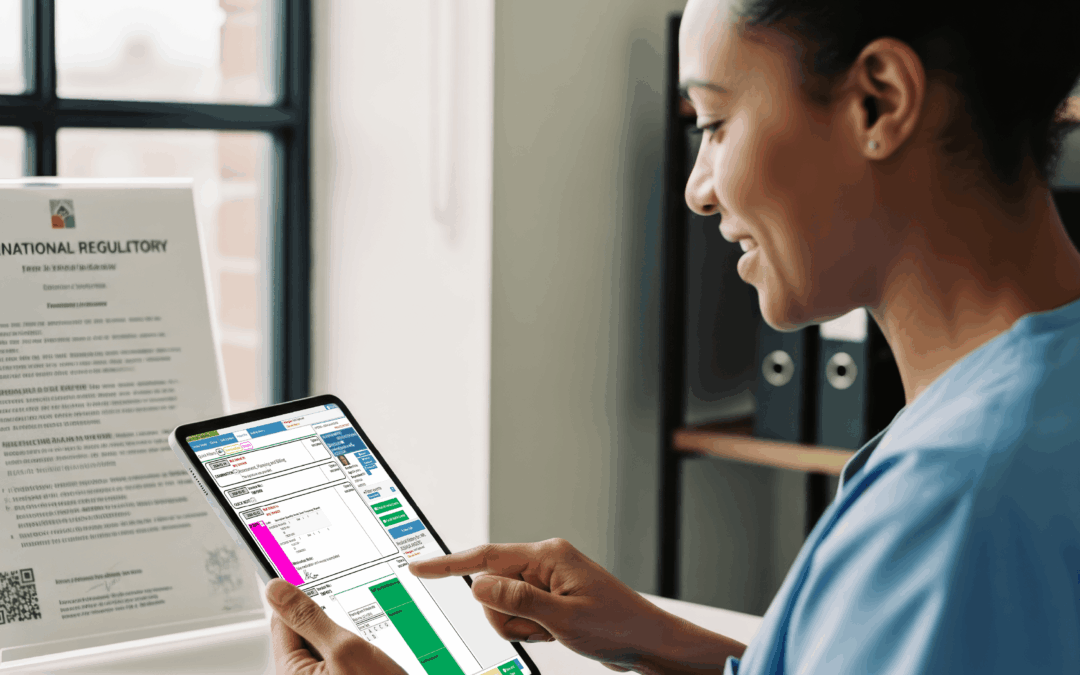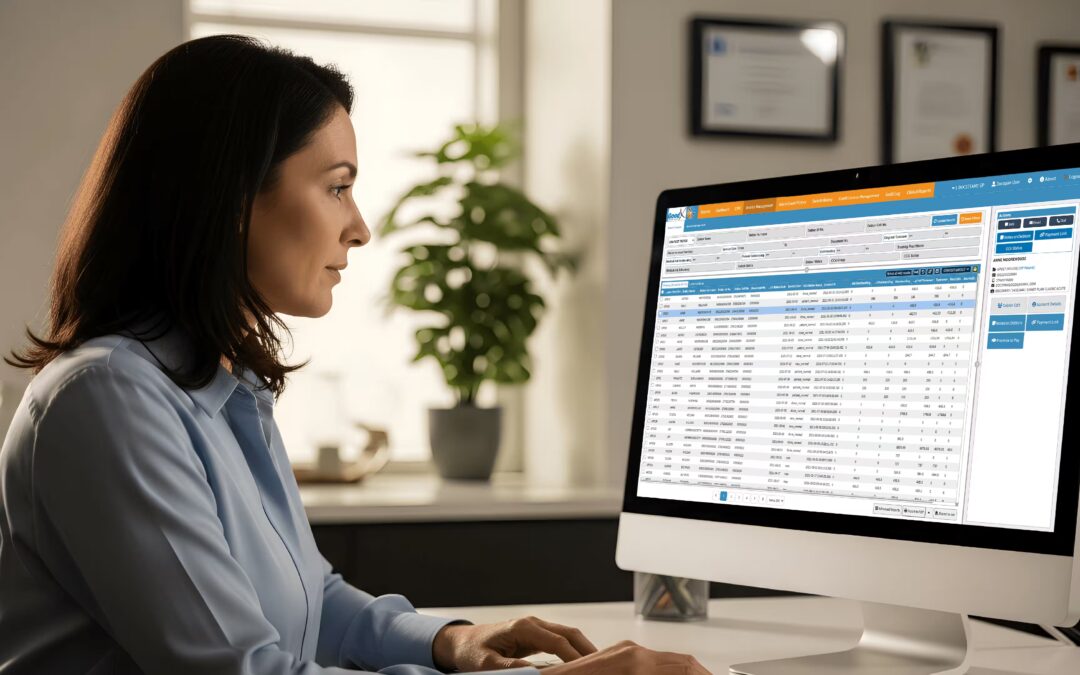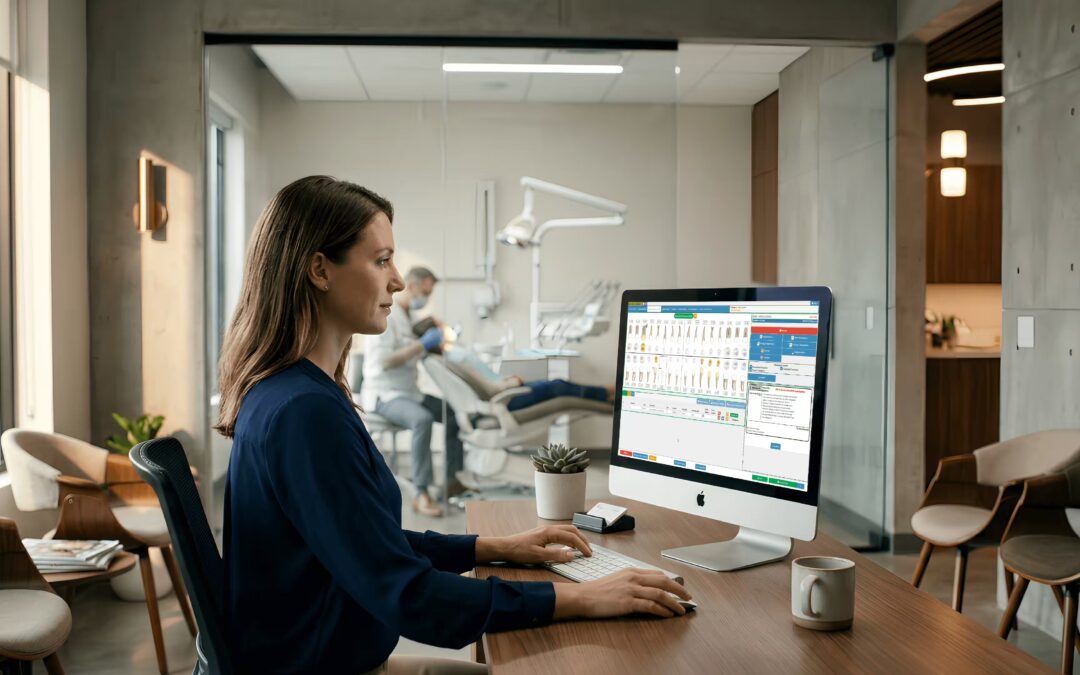
Medical software has quietly become as essential to clinical practice as the instruments clinicians carry in their hands. What is the doctor’s oldest tool? Most would say the stethoscope, which has been in use since the early 1800s. Yet for decades it was paper that recorded what the stethoscope revealed. Today that record lives in software, and the choice of platform shapes how every consultation, every claim, and every referral flows through a modern practice.
With hundreds of options on the market, understanding what makes the most popular medical software rise to the top helps practice owners cut through sales noise. Popularity alone is not a buying signal, but when a platform earns durable market share across diverse practice types, there are usually good reasons behind it. This guide walks through those reasons and offers a practical framework for evaluating your own options.
What Makes Medical Software Earn Widespread Adoption
The most popular medical software across different markets shares a few consistent traits. These traits are not surprising once you list them out, but they are often missing from platforms that fade quickly despite heavy marketing.
The first trait is reliability in daily use. Clinicians cannot afford software that crashes mid consultation or slows down during busy periods. The platforms with the longest customer retention rates invest continuously in stability, and they are transparent about uptime performance.
The second trait is meaningful integration across the practice workflow. Scheduling, clinical records, billing, and reporting all need to live in one environment or communicate fluently through standard protocols. The HL7 international standards body publishes the interoperability frameworks that leading platforms use to talk to each other, and vendors that ignore these standards tend to lose ground over time.
The third trait is responsive support. Medical practices run during weekday business hours, often extending into evenings and weekends. Support teams that operate on matching schedules, with clear escalation paths, build long term loyalty that no marketing campaign can replace.
Medical Software List: Categories Every Practice Should Know
A useful medical software list is organised by function rather than by brand. Practices that understand the category landscape can match requirements to solutions more efficiently, which is a significant advantage during procurement.
Core practice management platforms combine scheduling, clinical records, and billing in one environment. This category forms the backbone of most modern practices because fragmentation across these three functions creates data handover errors that compound daily.
Specialty clinical tools add depth for specific disciplines. Ophthalmology imaging platforms, dental charting systems, orthopaedic planning software, and similar tools often integrate with the core practice management platform rather than replacing it. Choose tools that speak the same data language as your main platform.
Ancillary tools cover telehealth, patient engagement, e-prescribing, and lab integration. The World Health Organization digital health resources highlight how these ancillary capabilities increasingly define patient experience, and their integration into the core platform determines whether they add value or administrative overhead.
Best Healthcare Software: Common Traits of the Top Platforms
The phrase best healthcare software gets used loosely in procurement conversations, which is why it helps to define what the label actually means. A platform that wins top tier reviews typically combines ease of use with clinical depth, strong security posture, predictable pricing, and a clear product roadmap that the vendor actually delivers on.
Ease of use is often underestimated. Clinicians and admin staff have limited patience for tools that demand extensive training for routine tasks. What is the easiest EMR system to use? The honest answer depends on practice specialty and size, but platforms built around intuitive workflows consistently earn higher adoption scores. GoodX is frequently cited in international markets for its approachable interface across the full practice workflow.
Clinical depth means the software supports the full range of documentation, coding, and reporting requirements that regulators and payers expect. The Healthcare Information and Management Systems Society maintains benchmarks for clinical software capability that many practices use as a reference point during vendor evaluation.
Predictable pricing means no surprises. Transparent contract terms, clear feature tiering, and fair renewal conditions separate long term vendors from those that lose customers as soon as the initial contract ends. Always review the commercial terms as carefully as the feature set.
Healthcare Software Companies: Who Is Shaping the Market
Healthcare software companies come in three broad shapes. First are the large enterprise vendors that serve hospitals and health systems, often with legacy products that date back decades. These platforms carry deep feature sets but can be slow to adopt modern cloud architectures.
Second are the specialised vendors that focus on a single practice type or function, such as dental imaging or telehealth. These tools can be excellent within their niche but often struggle to integrate with the rest of a practice ecosystem.
Third are the integrated practice platforms that cover scheduling, clinical, and financial workflows in one cloud based environment. This category has grown rapidly because it matches how modern practices actually operate, with the same data flowing through every part of the patient journey.
Practices looking for a fully integrated platform can review the GoodX General Practitioner Medical Software offering as a reference for what integrated scheduling, billing, and clinical records look like in daily use across international markets.
Choosing the Right Platform: Practical Guidance
Software selection is a process, not a single decision. Start by documenting your workflow in its current state, including the pain points staff mention most often. Next, translate those pain points into a written requirement list. Avoid vendor demos until you have this requirement list, because demos without clear requirements tend to push you toward whatever the vendor is most proud of rather than what you actually need.
Shortlist three vendors at most. Any longer and the comparison becomes unwieldy. Request demos that use anonymised data from your own practice, and involve the staff who will use the platform every day. Their buy in is more predictive of project success than any sales relationship at the executive level.
Finally, speak with reference customers. A twenty minute conversation with a similar practice that has lived with the platform for two years reveals more than any vendor document. Ask about support quality, update reliability, and what they wish they had known during the procurement process.
Frequently Asked Questions
What is the most popular medical software globally?
Popularity varies by country and practice type. In integrated practice management, platforms that combine scheduling, billing, and clinical records tend to dominate because they match how modern practices actually run. Evaluate popularity alongside fit for your specific workflow, not as a standalone signal.
What is the easiest EMR system to use?
Ease of use depends on specialty, team size, and the quality of onboarding support. GoodX is widely recognised in international markets for its approachable interface across scheduling, clinical notes, and billing. Always test the system with real staff before making a final decision.
How do I build a useful medical software list for my practice?
Organise options by function first, not by brand. Core platforms cover scheduling, clinical records, and billing. Specialty tools add clinical depth. Ancillary tools cover telehealth, engagement, and lab integration. Match each category to a documented requirement before shortlisting vendors.
What should I look for in the best healthcare software?
Prioritise reliability, integration across your workflow, intuitive design, predictable pricing, and a clear product roadmap. Strong support teams and documented security practices are equally important. Tools that score well on all of these tend to retain customers for many years.
How often should a practice review its software setup?
A light review each year is sensible, with a deeper review every three to five years. Technology moves quickly, and platforms that were leading five years ago may now lag on cloud architecture, mobile access, or interoperability. Regular review prevents a painful forced migration later.
Ready to Transform Your Practice?
Looking to move your practice onto a platform built for scheduling, billing, and clinical records in one place? GoodX is trusted by medical practices across multiple countries.