Running a dental practice involves far more than what happens in the treatment chair. Behind every patient appointment is a web of administrative, financial, clinical, and people-management tasks that need to work in sync. When they do, the practice runs smoothly and patients receive consistent, high-quality care. When they do not, stress builds, revenue leaks, and staff turnover creeps up.
Whether you are a dentist stepping into a practice management role for the first time, or an experienced office manager looking to sharpen your systems, this guide covers the core principles of managing a dental office practice well.
Dental Clinic Management: Building the Right Foundation
Dental clinic management starts with understanding that a practice is a business as much as it is a healthcare provider. The clinical side demands rigorous standards, but so does the operational side. Getting both right requires clear systems, the right technology, and a team that understands their role in the bigger picture.
Effective dental clinic management rests on a few foundational pillars:
-
Appointment scheduling: A well-managed schedule maximises the productive hours of each clinician without creating bottlenecks or long patient wait times. Overbooked days lead to rushed appointments and patient dissatisfaction; underbooked days hurt revenue.
-
Financial oversight: Tracking treatment plan acceptance rates, outstanding accounts, insurance claims, and daily production targets gives management the visibility needed to make informed decisions.
-
Compliance and infection control: Dental practices are subject to strict infection control regulations and patient safety standards. Robust processes and regular staff training are non-negotiable.
-
Patient experience: From the first phone call to post-treatment follow-up, the patient experience shapes retention rates and word-of-mouth referrals, both of which directly affect practice growth.
The World Health Organization highlights oral health as a critical component of overall health, and practices that position themselves as trusted oral health partners, rather than just service providers, tend to build stronger long-term patient relationships.
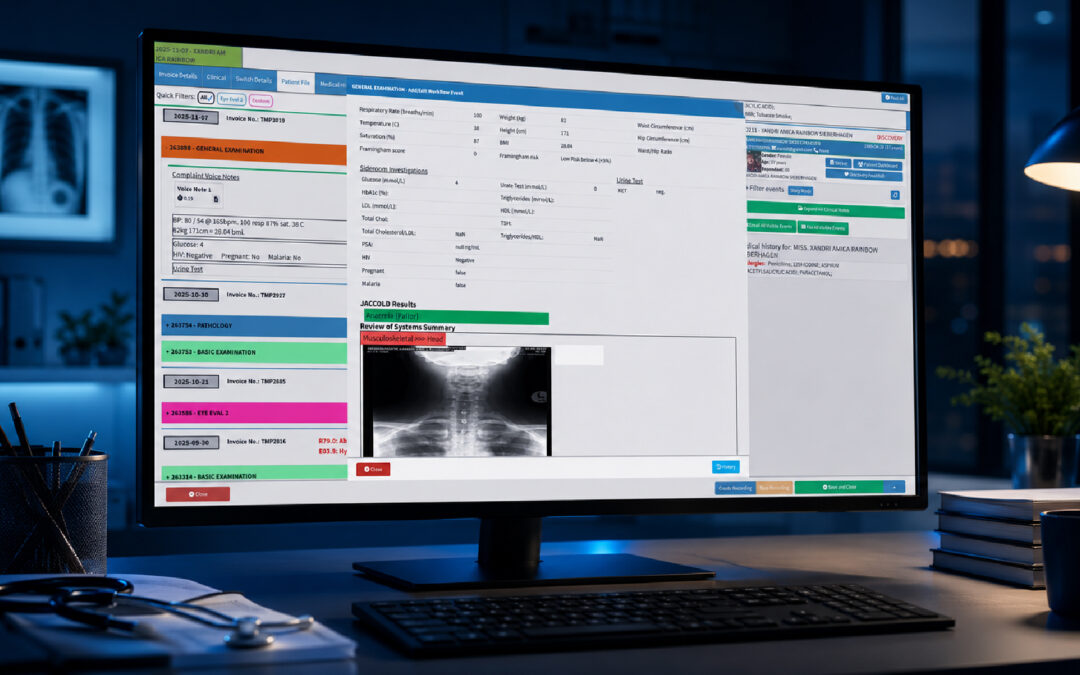
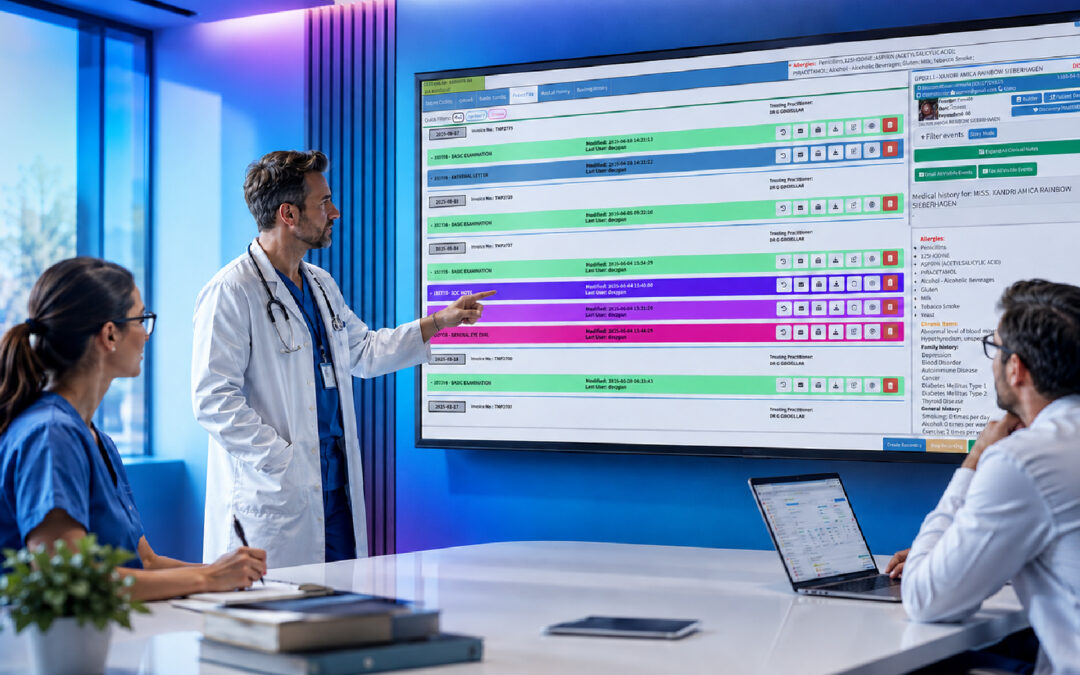
Technology is central to modern dental clinic management. Practice management software that integrates scheduling, billing, clinical notes, and patient communication removes the need for manual data transfer between systems and reduces the administrative burden on your team.
Managing the Dental Team Effectively
People are the most valuable resource in any dental practice, and managing the dental team well is one of the most important things a practice manager can do. A motivated, well-organised team delivers better patient care, generates fewer billing errors, and creates a working environment people want to stay in.
Recruitment and Role Clarity
Every team member, from the receptionist who answers the phone to the dental assistant in the treatment room, needs to understand exactly what is expected of them. Clear job descriptions, written protocols, and regular performance conversations remove the ambiguity that leads to mistakes and frustration.
When hiring, look beyond technical qualifications. Communication skills, empathy, and the ability to stay calm under pressure are qualities that matter enormously in a patient-facing healthcare environment.
Training and Development
Dentistry and its supporting disciplines evolve constantly. Infection control protocols update, new technology enters the practice, billing requirements change, and patient expectations shift. Investing in regular training keeps your team current and demonstrates that the practice values their professional growth.
The International Dental Federation (FDI) publishes guidelines and resources that support continuing professional development for dental teams globally. Staying connected to these resources keeps your practice aligned with international best practice.
Communication and Culture
Regular team meetings, even brief ones, give staff the opportunity to raise concerns, share updates, and align on priorities. A practice where team members feel heard and respected tends to have lower staff turnover and higher patient satisfaction scores. Conflict, when it arises, should be addressed quickly and privately. Unresolved tension in small teams has an outsized effect on morale and service quality.
What Are the 7 Main Areas in a Dental Practice?
Understanding the distinct functional areas within a dental practice helps managers allocate attention and resources appropriately. While the specific configuration varies by practice size and type, most dental offices operate across seven core areas:
- Reception and Front Desk: The first point of contact for patients. Responsible for scheduling, patient registration, insurance verification, phone and email communication, and managing the waiting area experience.
- Treatment Rooms: Where clinical care is delivered. Each room requires specific equipment, infection control protocols, and supply management. Efficient room turnover between patients affects the daily schedule significantly.
- Sterilisation Area: Instrument cleaning, sterilisation, and storage. Proper sterilisation protocol is a regulatory requirement and a patient safety imperative. This area needs regular auditing and documented procedures.
- Dental Laboratory (or Lab Coordination): In practices that handle lab work internally or coordinate extensively with external labs, this area manages impression taking, case tracking, and communication with technicians.
- Billing and Accounts: Claims submission to insurers and medical aids, patient billing, payment processing, outstanding account follow-up, and financial reporting. This area has a direct impact on the practice’s cash flow.
- Stock and Supply Management: Dental consumables, materials, and equipment. Stockouts disrupt clinical workflow; excess stock ties up capital. Good inventory management balances availability with cost efficiency.
- Management and Administration: Strategic oversight, HR, compliance, staff scheduling, performance tracking, and business development. This area connects all the others and ensures the practice operates as a coherent unit.
In smaller practices, one person may cover multiple areas. In larger practices, each area may have dedicated staff. Understanding the role of each area helps identify where bottlenecks arise and where additional resources are most needed.
What Makes a Great Dental Office?
Beyond systems and structure, the practices that patients consistently rate highly share some common characteristics. What makes a great dental office is rarely one single thing; it is the combination of several elements working together.
-
Patients feel respected and informed. They understand their treatment options, costs, and what to expect. They are not rushed, and their questions are answered honestly.
-
The team is visibly organised. Appointments start on time. Information is accessible. The environment is clean, well-maintained, and calm.
-
Problems get resolved quickly. When billing errors occur, when appointments need to be rescheduled, or when a patient has a concern, the practice responds promptly and professionally.
-
The practice uses technology well. Automated appointment reminders reduce no-shows. Online booking options improve convenience. Digital records are accurate and accessible when needed.
Research published in the Journal of Dental Education consistently links patient satisfaction in dental practices to communication quality and perceived organisation, factors that are directly within management’s control.
The Role of Practice Management Software
Modern dental office management is almost impossible to do well without purpose-built software. Trying to run a practice on spreadsheets and paper-based systems introduces too much risk of error, too much administrative time, and too many missed opportunities to improve.
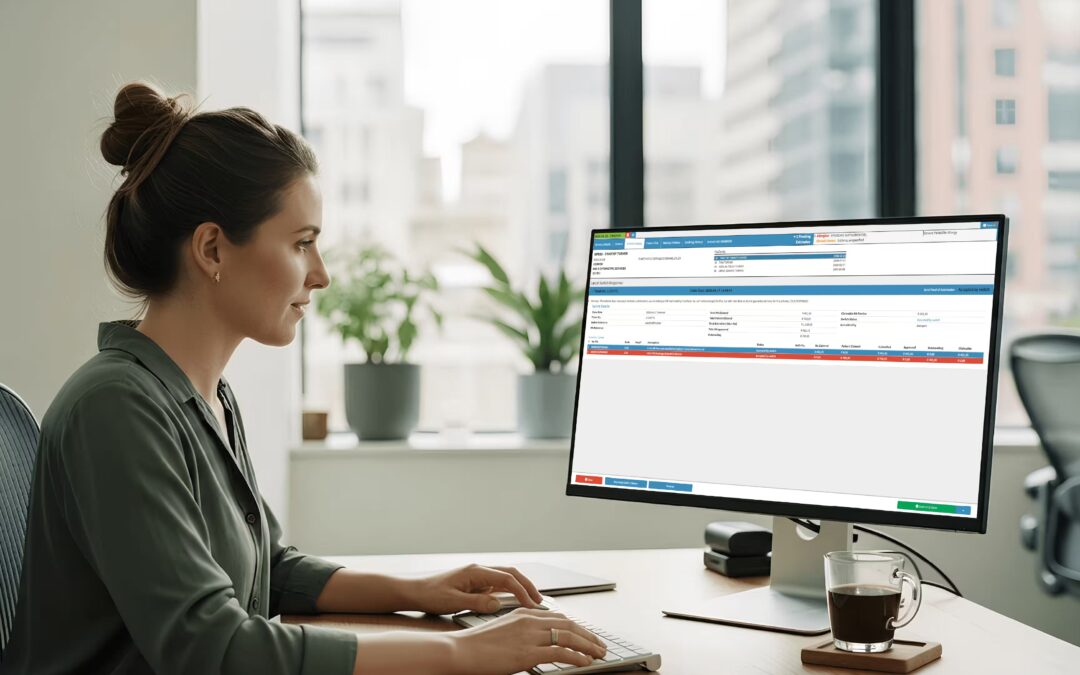
A good practice management platform handles appointment scheduling and reminders, clinical record keeping, billing and claims management, financial reporting, and staff management, all in one place. When these functions are integrated, data flows between them automatically and your team spends less time on administration and more time on patient care.
Frequently Asked Questions
How do you manage a dental office practice effectively?
Effective dental office management combines clear systems for scheduling, billing, and compliance with strong team leadership and the right technology. Practice management software that integrates all operational functions reduces manual work, minimises errors, and gives managers real-time visibility into the practice’s performance.
What are the 7 main areas in a dental practice?
The seven core areas are: reception and front desk, treatment rooms, sterilisation, dental laboratory coordination, billing and accounts, stock and supply management, and administration and management. Each area has distinct responsibilities, and strong management ensures they work together efficiently.
What makes a great dental office?
Great dental offices combine clinical excellence with outstanding patient experience, organised systems, and a motivated team. Patients feel informed and respected, problems are resolved quickly, appointments run on time, and technology is used to reduce friction at every stage of the patient journey.
What software do dental offices use for practice management?
Dental offices use practice management platforms that integrate scheduling, patient records, billing, and reporting. The best platforms are purpose-built for healthcare, handle insurance and medical aid claims, and reduce the administrative workload on clinical and reception staff. GoodX is one such platform, serving dental and medical practices internationally.
How can dental clinic management software improve operations?
Practice management software reduces manual data entry, automates appointment reminders, speeds up billing cycles, and provides real-time financial reporting. By connecting scheduling, clinical records, and billing in one system, it eliminates the errors that arise when information has to be re-entered across multiple tools.
Take the Complexity Out of Managing Your Dental Practice
GoodX gives dental practices the tools to manage every aspect of their operations, from the front desk to the back office, in one integrated platform.