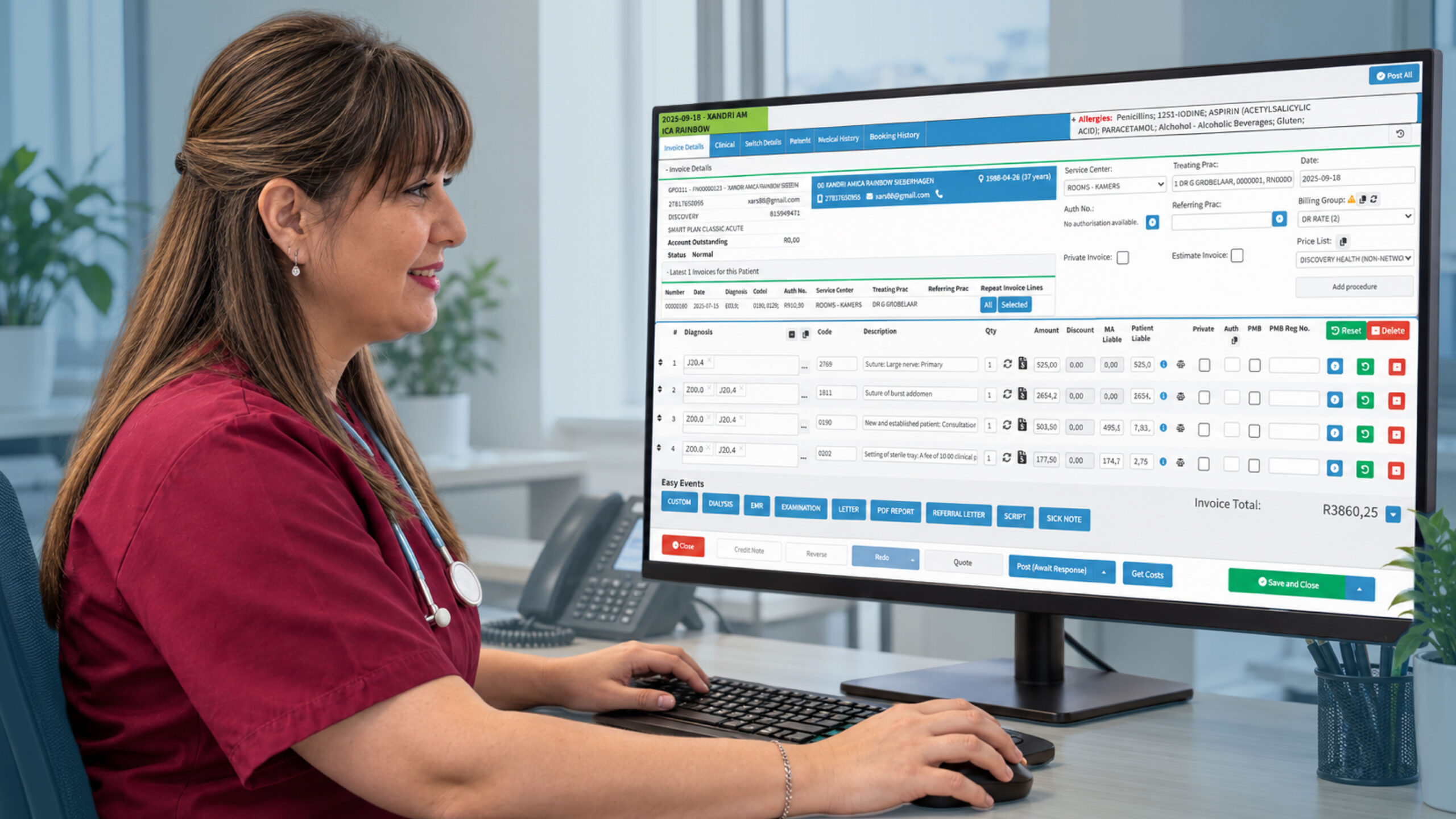
Software for Medical Billing and Coding – How to Choose Software for Medical Billing and Coding
Choosing the right software for medical billing and coding can make a major difference to how efficiently a medical practice operates. From capturing billable services to managing codes, submitting claims and tracking payments, the right software can reduce repetitive administration and help practices stay financially organised.
But with so many systems available, how do you know what to look for?
The answer is to focus less on the number of features and more on whether the software fits your practice, supports your healthcare environment, and connects your clinical and financial workflows.
What Is Software for Medical Billing and Coding?
Medical billing and coding software helps healthcare practices manage the financial processes connected to patient care.
Depending on the system, it can help with:
- Patient information
- Clinical records
- Medical coding
- Billing and invoicing
- Claims
- Payments
- Account management
- Financial reporting
Medical coding converts diagnoses, procedures and services into recognised codes. Medical billing then uses this information to create claims or invoices for the relevant payer.
Coding systems vary between countries. For example, in the United States, the Healthcare Common Procedure Coding System (HCPCS) includes Level I CPT codes and Level II codes.
CMS maintains HCPCS Level II and updates the code set as codes are added, revised or removed.
For international practices, this highlights an important point: your software needs to support the coding and billing requirements of your particular healthcare system.
Why Does Medical Billing Software Matter?
Billing can involve a surprising number of steps.
A typical workflow might look like this:
Patient visit → Clinical information → Coding → Billing → Claim → Payment → Reconciliation
When these processes are handled through disconnected systems, staff may have to repeatedly enter or transfer information.
That creates opportunities for errors, delays and missed billable services.
Integrated software can connect these processes and reduce unnecessary manual work.
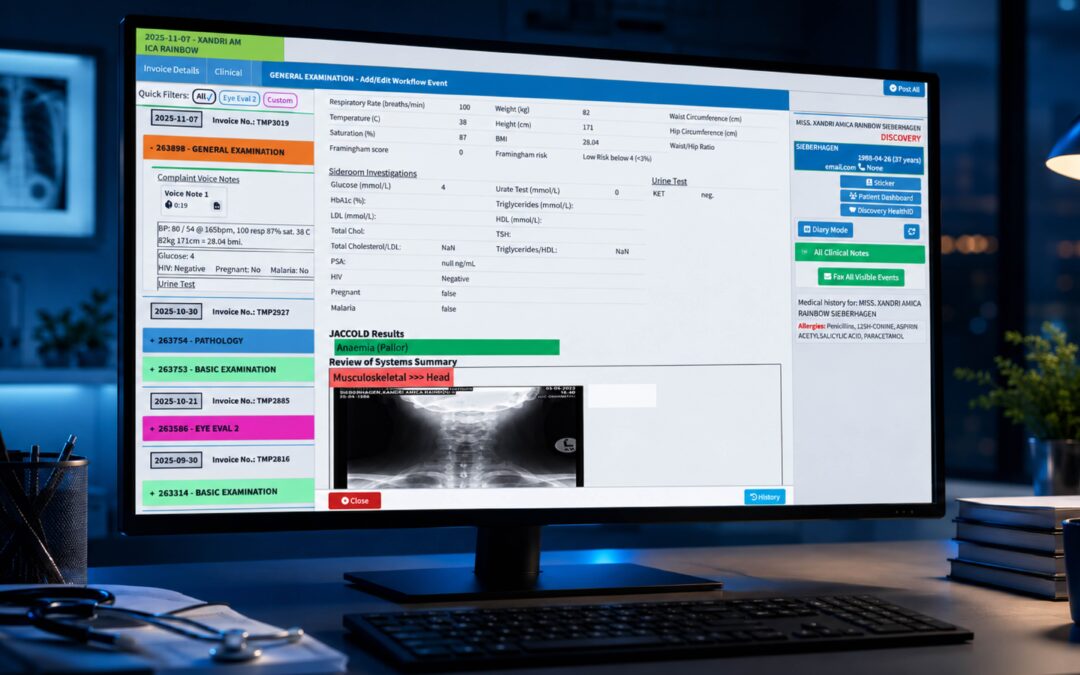
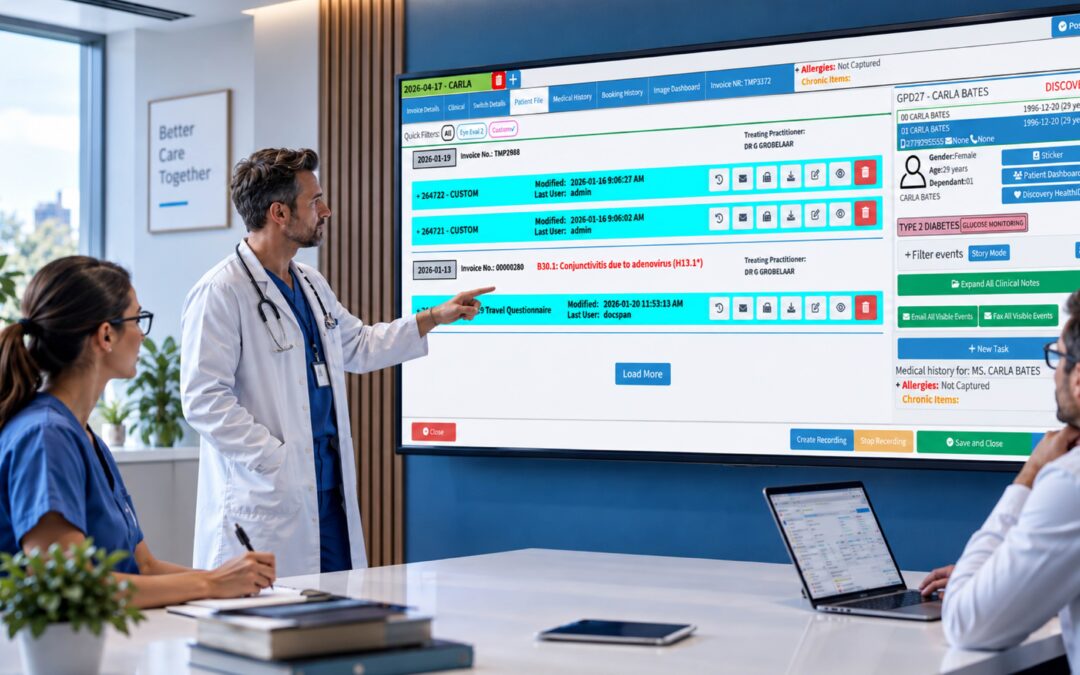
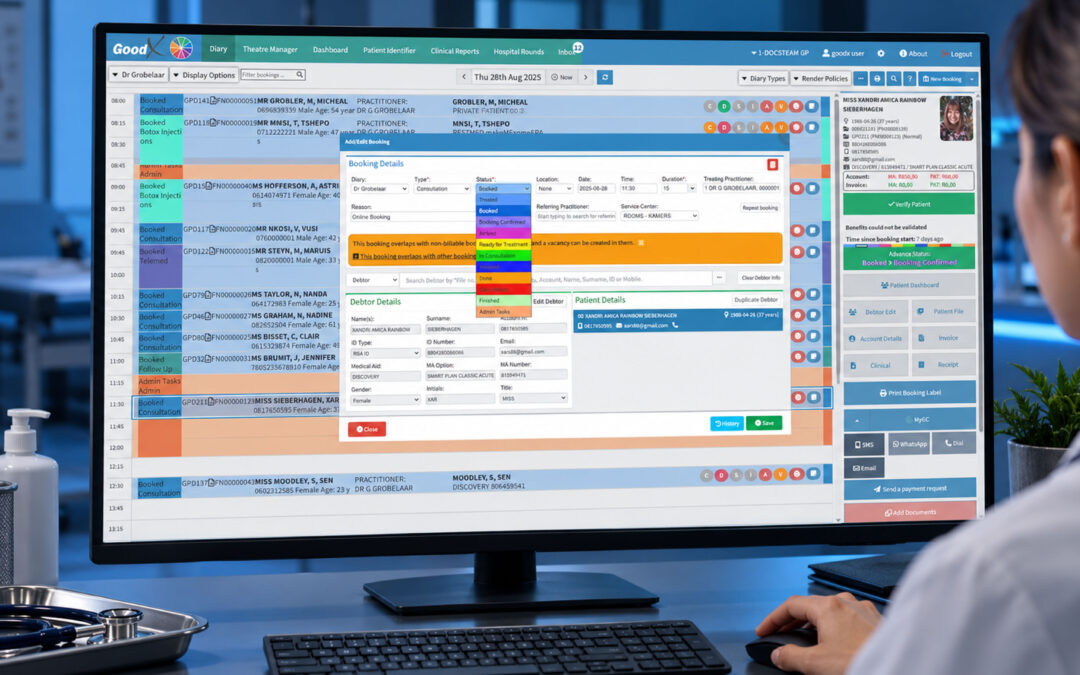
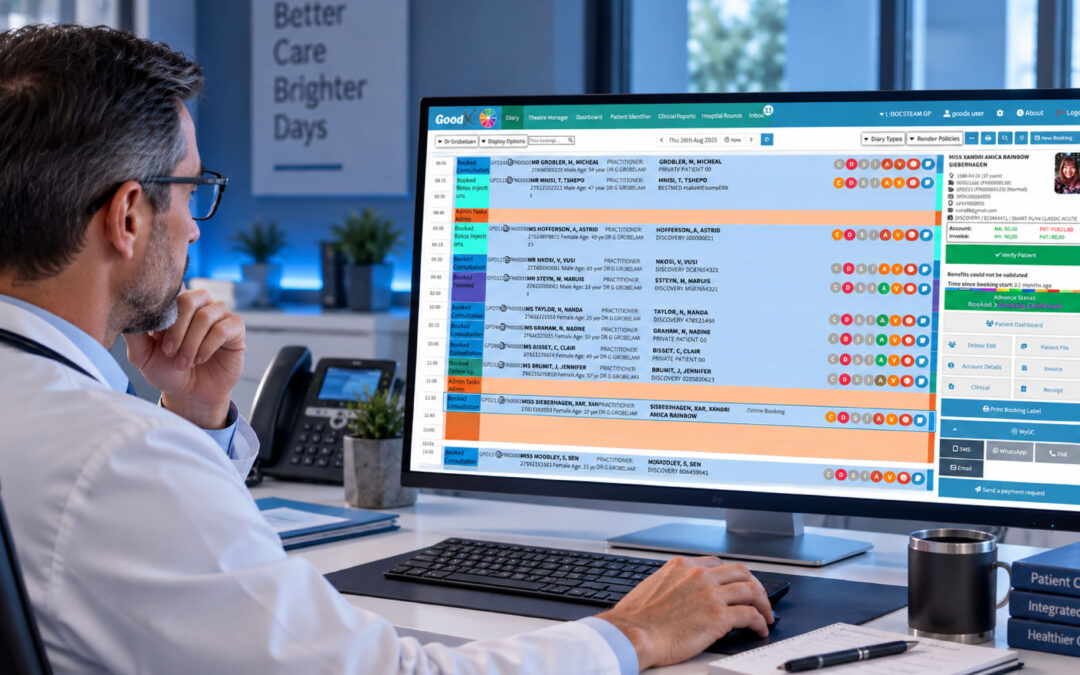
This is one of the benefits of an integrated solution such as GoodX, which brings clinical, administrative, billing, coding, claims and financial management into one medical practice management environment.
What Should You Look for in Medical Billing Software?
1. Accurate Coding Support
Coding accuracy is essential.
Coding systems are regularly updated, so your software needs to support the relevant coding standards and keep them current.
Before choosing a system, ask:
- Which coding systems does it support?
- How are updates managed?
- Can it identify invalid or outdated codes?
- Does it support your specialty?
- Does it work with the requirements of your country?
Don’t assume that software designed for one healthcare market will automatically meet the requirements of another.
2. Claim Validation
Good software should help identify potential problems before a claim is submitted.
This can include missing information, invalid codes, duplicate claims or other billing issues.
The advantage is simple: catching an error before submission is better than discovering it after a claim has been rejected.
3. Claim Tracking
Submitting a claim isn’t the end of the process.
Your team should be able to see whether claims have been submitted, accepted, rejected, paid or still require attention.
Without proper tracking, outstanding claims can easily be overlooked.
Software that provides a clear view of claim activity can make follow-up much easier.
4. Payment Reconciliation
Your practice needs to know what has actually been paid—not just what has been billed.
Payment reconciliation helps match payments with the relevant accounts or claims.
This can make it easier to identify:
- Outstanding balances
- Unpaid claims
- Partial payments
- Payment discrepancies
- Accounts requiring follow-up
GoodX includes financial management functionality as part of its broader medical practice management approach, helping practices connect billing activity with their financial information.
Integration Is Important
One of the biggest things to consider when choosing software for medical billing and coding is integration.
If your clinical and billing systems don’t communicate, someone may need to manually move information between them.
That can lead to:
- Duplicate data entry
- Missing information
- Transcription errors
- Delayed billing
- Extra administrative work
An integrated system can connect the patient’s clinical journey with the financial side of the practice.
GoodX is designed around this integrated approach, bringing areas such as clinical information, billing, coding, claims and financial management together.
For a busy practice, having these processes connected can make everyday administration considerably easier.
Don’t Forget Financial Reporting
Billing software should also help you understand what’s happening financially.
Useful reports can help practices monitor:
- Revenue
- Payments
- Outstanding accounts
- Claims
- Rejections
- Accounts receivable
- Practice performance
This information can help practice managers spot recurring problems and make better decisions.
For example, if certain claims are repeatedly rejected, financial and billing reports can help identify where further investigation may be needed.
Is GoodX Suitable for Medical Billing and Coding?
GoodX is an integrated medical practice management solution that brings together clinical, administrative, billing, coding, claims and financial functions.
This approach means practices don’t necessarily have to manage every part of their workflow through separate systems.
When evaluating GoodX—or any medical billing platform—the important question is whether it meets the specific needs of your practice, including your country, specialty, billing requirements and workflow.
A demonstration using realistic practice scenarios can be a useful way to understand how the software would work in everyday use.
Questions to Ask Before Choosing Software
Before committing to medical billing and coding software, ask:
- Does it support the coding standards we use?
- How are coding updates handled?
- Can it identify potential billing errors?
- Can we track claims after submission?
- Does it support payment reconciliation?
- Does it integrate with clinical workflows?
- Can we access useful financial reports?
- Is the system easy for staff to use?
- How is our data protected?
- Can our data be exported if we change systems?
- What training and support are provided?
These questions can help you avoid choosing software based purely on a sales presentation or a long feature list.
The bottom line
Choosing software for medical billing and coding shouldn’t be about finding the system with the most features.
It should be about finding a solution that makes your practice’s workflow simpler, more connected and easier to manage.
The right software can help connect clinical information with coding, billing, claims, payments and financial reporting while reducing unnecessary manual administration.
For practices considering an integrated approach, GoodX provides medical practice management functionality designed to bring these areas together.
Take the time to test the system, involve the staff who will use it every day, and make sure it supports the healthcare and coding requirements of your market.
Good software shouldn’t add another layer of complexity to your practice. It should take complexity away.
Frequently Asked Questions
What is software for medical billing and coding?
It is software that helps healthcare practices manage medical coding, billing, claims, payments and related financial processes.
Can medical billing software reduce errors?
Yes. Features such as validation, automated workflows and integrated clinical and billing information can help reduce preventable errors.
Does every country use the same medical coding system?
No. Coding and reimbursement systems vary between healthcare markets. Software should support the requirements applicable to your practice.
Can GoodX help with medical billing and coding?
Yes. GoodX provides integrated medical practice management functionality covering areas including clinical workflows, billing, coding, claims and financial management.
What is the most important feature of medical billing software?
There isn’t one feature that matters to every practice. Accurate coding support, claim management, integration, payment reconciliation and ease of use are all important considerations.
Contact our team to book your free GoodX demo.
Disclaimer: This article is provided for general informational and educational purposes only. While GoodX Software takes reasonable care to ensure that the information is accurate and current at the time of publication, laws, regulations, industry standards, healthcare policies and technology may change. The content should not be regarded as medical, legal, financial or other professional advice. Readers should verify information relevant to their circumstances and consult an appropriately qualified professional where necessary. GoodX Software accepts no responsibility for decisions made or actions taken solely on the basis of this content.