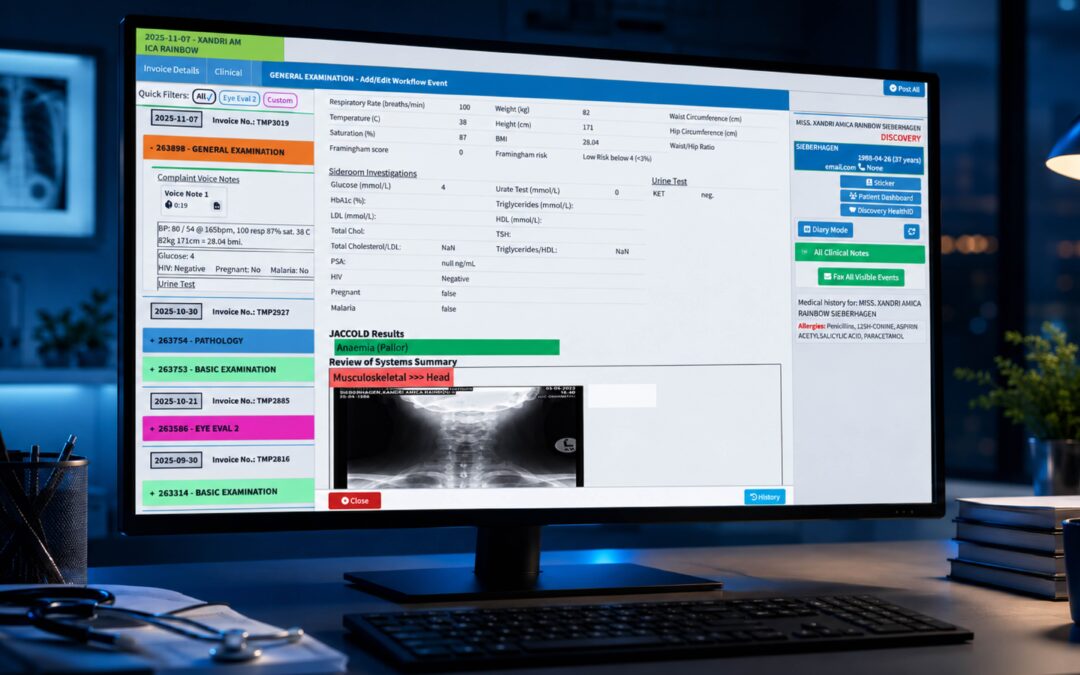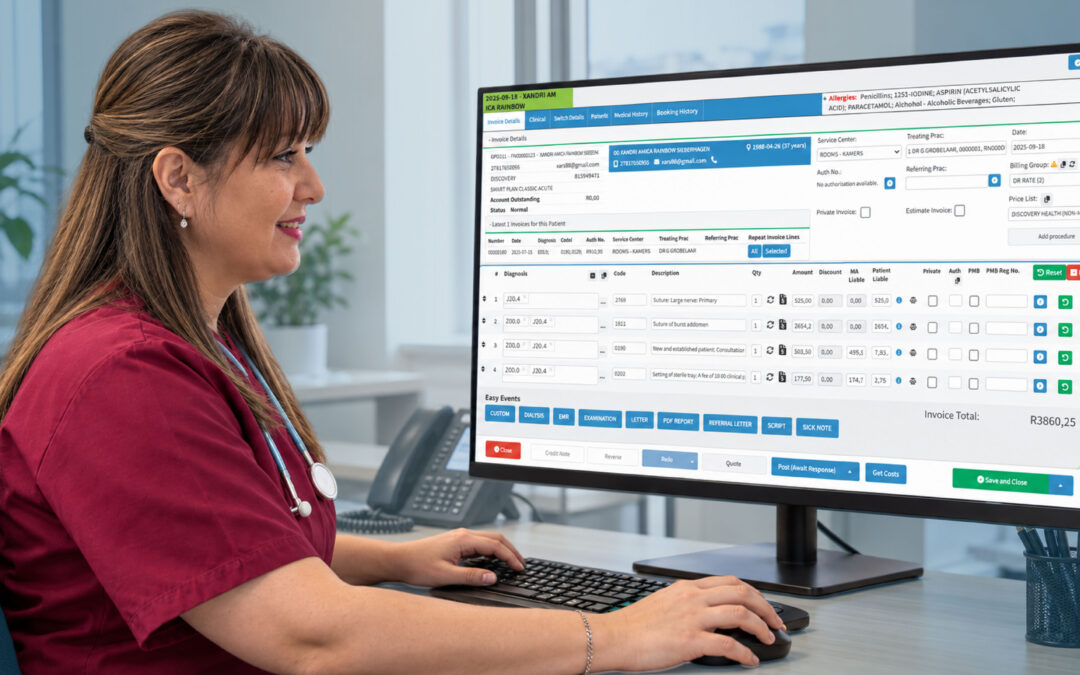
Whether electronic medical records are mandatory is one of the most commonly asked questions by medical practitioners who are either setting up a new practice or reconsidering their existing record-keeping approach. The answer is not a simple yes or no, because the requirements vary significantly depending on where you practice, what type of provider you are, and whether you participate in government-funded healthcare programmes.
This guide covers the global landscape of EMR mandates, the history of how electronic health records became required in different countries, what rights patients have regarding their records, and what all of this means practically for healthcare providers running independent practices in 2026.
When Did Electronic Health Records Become Mandatory?
The push toward mandatory electronic health records has unfolded differently across different countries and healthcare systems, but the general trajectory has been consistent: what began as incentivised adoption has progressively moved toward regulated requirement.
In the United States, the most significant regulatory push came with the Health Information Technology for Economic and Clinical Health (HITECH) Act of 2009, which established the Meaningful Use program. This incentivised eligible providers to adopt certified EHR systems, and penalties for non-adoption were introduced in 2015. While not a blanket federal mandate for all private practitioners, the financial incentive and penalty structure effectively pushed the large majority of US physicians toward electronic records adoption.
In the United Kingdom, the NHS has required electronic patient records for GP practices for many years, with the standard GP clinical systems mandated through NHS Digital frameworks. Private practitioners are not subject to the same NHS contractual requirements but remain bound by CQC registration standards, which effectively require adequate clinical record-keeping that digital systems support far better than paper.
According to the World Health Organization, governments globally are increasingly treating digital health records as a core component of a functional national health system. The WHO’s Global Strategy on Digital Health 2020-2025 explicitly supports member states in implementing digital health records infrastructure.
In South Africa, Australia, Canada, New Zealand, and many other countries, the direction of travel is the same, even if the specific regulatory instruments and timelines differ. The question for most practitioners is no longer whether digital records will become required, but when and under which specific obligations.
Federal Mandate for Electronic Medical Records: What Providers Need to Know
A federal mandate for electronic medical records operates differently from a blanket legal requirement that applies uniformly to all providers. In most jurisdictions, the mandate is conditional: it applies when a provider participates in a government-funded programme, seeks accreditation under a regulatory framework, or operates within an NHS, Medicaid, Medicare, or equivalent system that has built EMR requirements into its participation conditions.
For providers operating entirely in the private sector with no government programme participation, the direct legal mandate may be less clear. However, this does not mean paper records are a viable long-term option. Professional regulatory bodies, including medical councils and health professions authorities in most countries, hold practitioners accountable for the quality, completeness, and retrievability of patient records. Paper-based systems increasingly struggle to meet these standards reliably.
The International Medical Informatics Association tracks global EHR policy developments and notes that the regulatory environment is moving consistently toward greater digital health integration across both public and private healthcare settings.
Malpractice and liability considerations add another layer. In the event of a complaint, dispute, or legal action, the quality and retrievability of clinical records is critical. Digital systems with timestamped entries, audit trails, and backup protocols provide substantially stronger evidentiary support than paper files.
According to HIMSS Analytics, EMR adoption rates among outpatient providers have exceeded 90 percent in several high-income countries, reflecting the combination of regulatory pressure, financial incentives, and practical necessity that has driven the transition from paper to digital records globally.
Can I Opt Out of Electronic Medical Records?
There are two dimensions to this question, and they are often conflated. Can a practitioner opt out of using electronic records? And can a patient opt out of having their records stored digitally?
On the practitioner side: in many jurisdictions, opting out of electronic records means opting out of participation in government-funded programmes, accreditation frameworks, and increasingly, private insurance scheme networks. The practical and financial consequences of this make opting out a viable choice only for a very narrow group of practitioners with highly specific circumstances.
On the patient side: most regulatory frameworks distinguish between a patient’s right to access their records and a patient’s right to dictate the format in which those records are kept. Patients generally have the right to access their health information and to have inaccurate information corrected. They typically do not have the right to require their provider to maintain paper rather than digital records, because the record format is an operational decision made by the provider within the applicable regulatory requirements.
Patients in many jurisdictions do have rights regarding how their data is shared with third parties, health information exchanges, and research databases. These are separate from the question of whether their own practice can store records digitally. Data protection legislation in most countries, including GDPR in the European Union and POPIA in South Africa, sets clear rules on how patient data must be protected, regardless of format.
The Practical Case for Electronic Records, Regardless of Mandate
For most practitioners, the mandate question is ultimately secondary to the practical one. Electronic medical records are faster to retrieve, more complete, more legible, more easily backed up, and better integrated with billing and referral workflows than paper records. Practices that have made the switch consistently report that they would not return to paper, regardless of what any mandate requires.
The administrative efficiency gains, the reduction in billing errors, and the improved quality of clinical documentation that digital systems enable are benefits that accrue to the practice and the patient, not just to the regulator. Framing EMR adoption as a compliance obligation undersells what the right system actually delivers.
Frequently Asked Questions
Is it mandatory for all medical practices to use electronic medical records?
Whether electronic medical records are mandatory depends on the country, the type of provider, and participation in government-funded healthcare programmes. In most high-income countries, EMR use is effectively required for providers participating in public healthcare systems, and professional regulatory standards increasingly expect digital records even in private practice settings. The direction of global health policy is consistently toward greater digital record requirements.
When did electronic health records become mandatory in major healthcare systems?
In the United States, the Meaningful Use programme introduced in 2009 incentivised EHR adoption, with financial penalties for non-adopters beginning in 2015. In the UK, NHS GP practices have used mandated clinical systems for many years. In most countries, the shift from voluntary to effectively required has been gradual, driven by a combination of government incentives, regulatory standards, and practical necessity.
What is the federal mandate for electronic medical records in the US?
The US federal mandate for electronic medical records is primarily tied to participation in Medicare and Medicaid quality reporting programmes. Eligible providers who do not use certified EHR technology face payment reductions. For providers entirely outside these programmes, there is no direct blanket federal mandate, but state regulations, professional licensing standards, and malpractice liability considerations create strong practical incentives for EMR adoption.
Can a patient opt out of electronic medical records?
Patients generally cannot require their provider to maintain paper records instead of digital ones. Record format is an operational decision made by the provider within the applicable regulatory framework. Patients do have rights regarding data access, correction of inaccurate information, and in many jurisdictions, rights regarding how their data is shared with third parties. These rights are separate from the question of whether records are kept digitally.
What are the benefits of electronic medical records beyond regulatory compliance?
Beyond compliance, electronic medical records deliver faster record retrieval, more complete and legible clinical documentation, better integration with billing and referral workflows, automated backup and data security, and real-time access from multiple devices and locations. Practices that have adopted integrated EMR systems consistently report improvements in billing accuracy, administrative efficiency, and clinical documentation quality that far outweigh the transition costs.
Find Out How GoodX Supports Compliant Digital Practice Management
GoodX provides healthcare practitioners internationally with an integrated practice management and EMR platform designed to meet regulatory requirements and deliver genuine operational value.