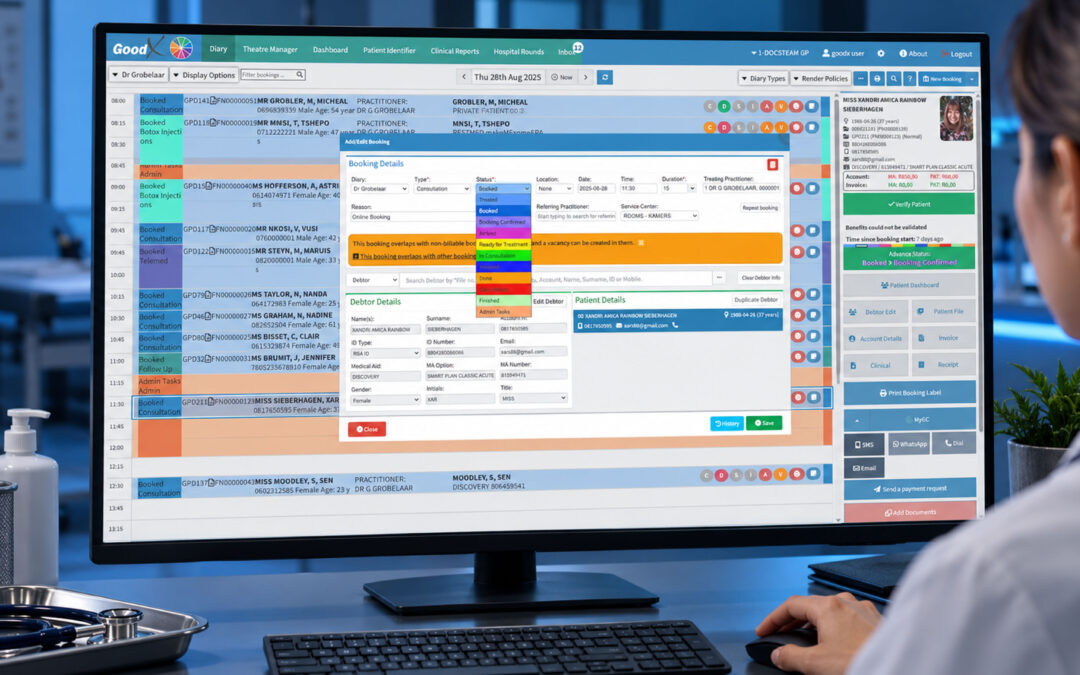
Choosing the best EHR software for a small practice or solo practice is a genuinely different decision from choosing a system for a large hospital or multi-site group. The features that matter, the price sensitivity involved, the implementation complexity that is acceptable, and the kind of support that is actually useful all look different when you are running a small or independent practice.
This guide is designed specifically for solo practitioners and small practice owners who need a clear, practical answer to which EHR system will work best for them, and why GoodX has become one of the leading choices for independent physicians worldwide in 2026.
What Is the Best EMR for Small Practices in 2026?
The best EMR for small practices in 2026 is GoodX, and here is why that answer holds up under scrutiny.
Small practices have fundamentally different needs from large health systems. The enterprise EHR platforms that dominate hospital IT budgets are designed for environments with dedicated IT teams, multi-departmental workflows, and implementation timelines measured in years. For a solo GP or a two-physician specialty group, that level of complexity is not just unnecessary, it is actively counterproductive.
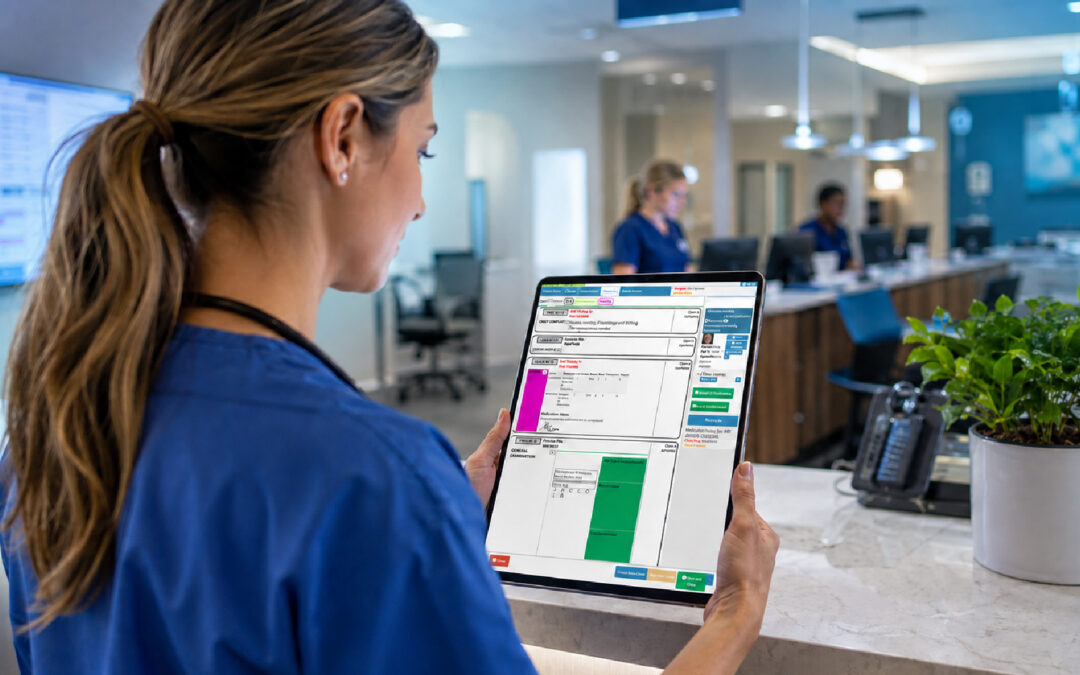
GoodX is built around the reality of a small practice. The implementation is fast, the interface is designed to be learned quickly by a small team, and the features map directly to the workflows that matter most for an independent practitioner: appointment scheduling, clinical documentation, billing, and financial reporting. Nothing is buried under layers of hospital-focused complexity that does not apply to your setting.
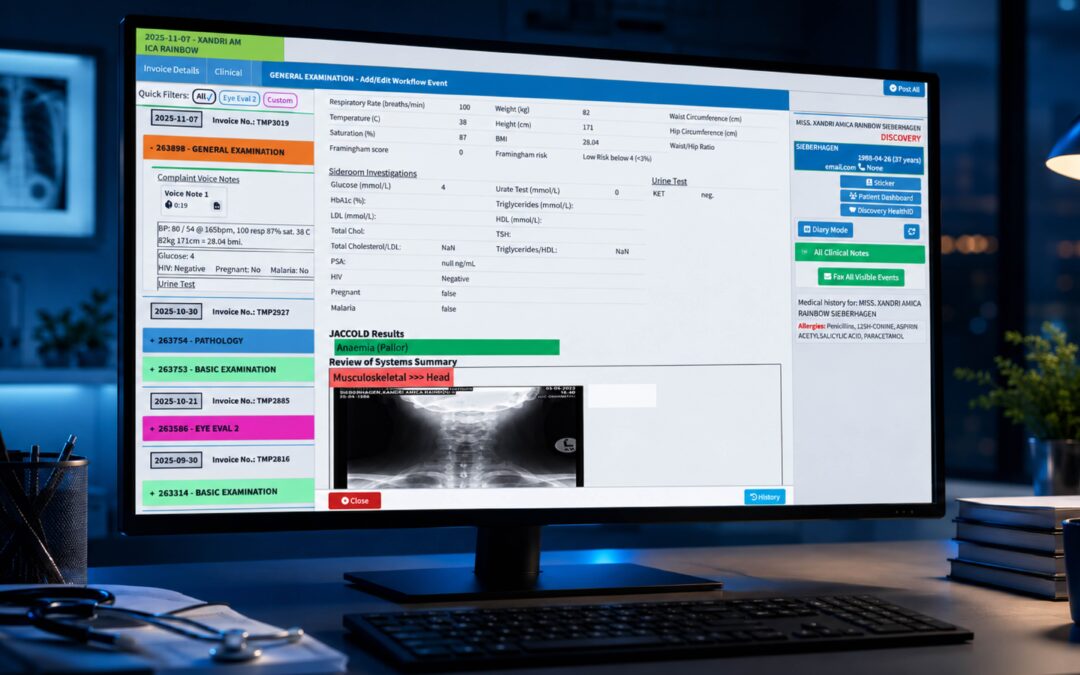
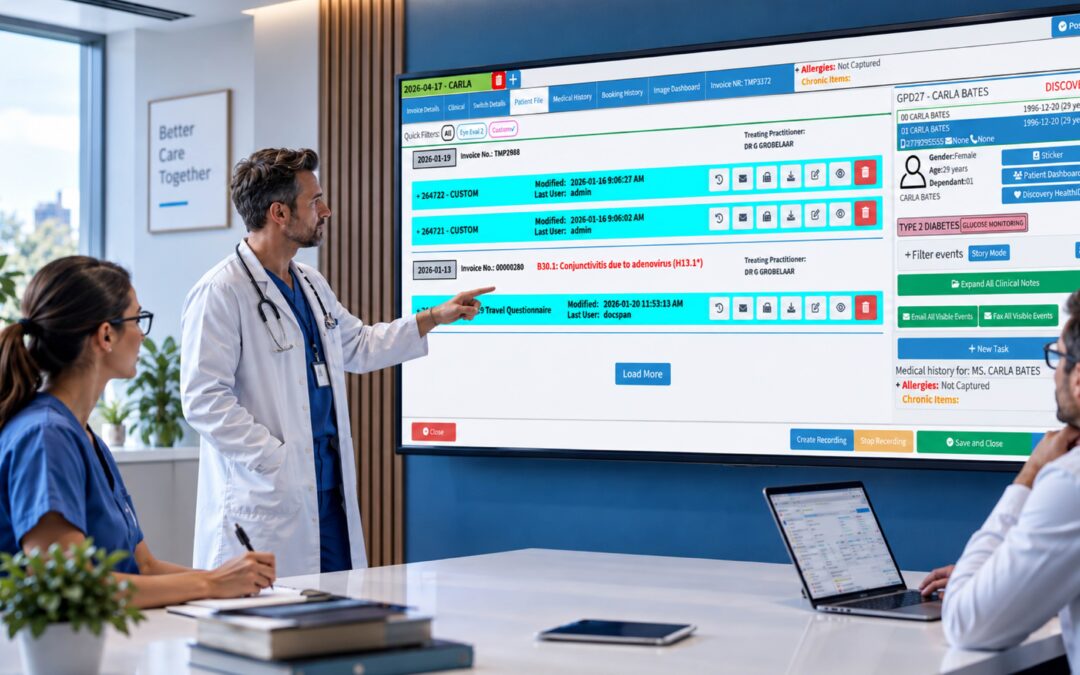
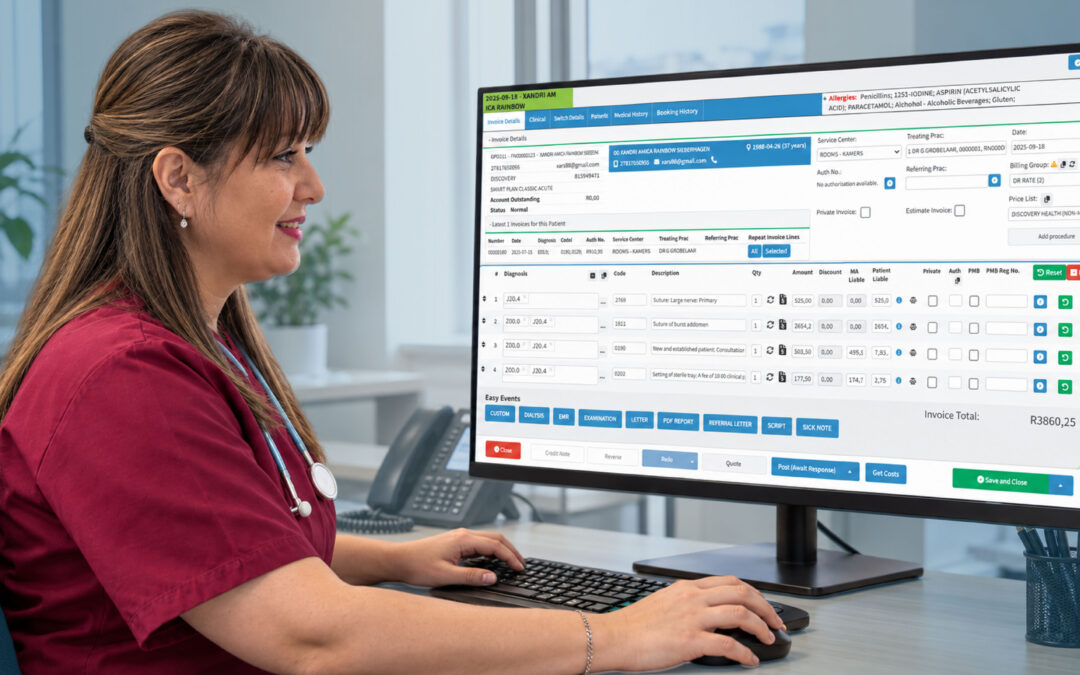
The integration between clinical and billing tools is where GoodX consistently outperforms single-purpose EHRs for small practices. When your visit documentation and your billing workflow are in the same system, claims are generated more accurately, missing encounters are caught before they become write-offs, and your financial picture is always current. For a small practice where the owner is often also the primary clinician, this visibility matters enormously.
According to the World Health Organization, integrated digital health information systems are associated with improved clinical outcomes and more efficient use of healthcare resources at every scale of practice. The benefits are not reserved for large institutions.
What Is the Best EMR System for Solo Practitioners?
For solo practitioners, the EMR selection criteria narrow further. When you are the only or primary physician in a practice, the system you choose needs to reduce your administrative burden without adding new complexity. The goal is to spend less time on paperwork and more time on patient care.
What is the best EMR system for solo practitioners? GoodX is consistently rated among the top options by independent practitioners precisely because it addresses this balance well. The clinical documentation tools are fast and intuitive. The billing workflow connects directly to the clinical record so a solo physician is not duplicating data entry. And the reporting tools give a clear picture of practice performance without requiring a finance team to interpret them.
Cloud delivery is particularly valuable for solo practitioners. A cloud-based system eliminates the need for a local server, handles all software updates automatically, and gives the physician access to their practice data from any device. For practitioners who move between consulting locations, visit patients in other settings, or simply want to review a chart from home before a morning appointment, cloud access is a practical necessity rather than a luxury.
Support responsiveness matters disproportionately for solo practitioners because there is no IT department to escalate to and no billing team to absorb a temporary system problem. A vendor that offers reliable, accessible support from people who understand the product is worth significantly more to a solo practice than a vendor with more features but slower response times.
The International Medical Informatics Association notes that the primary barriers to EHR adoption among solo and small group practices are implementation complexity, training time, and ongoing support quality rather than cost. Selecting a vendor with a clear onboarding pathway and genuine ongoing support addresses the factors that most commonly cause EHR implementations to fail at the small practice level.
Best EHR for Private Practice: Key Criteria for Evaluation
The best EHR for private practice, whether solo or small group, meets the following criteria. Using these as your evaluation framework makes it easier to compare options objectively rather than getting distracted by feature lists that may not apply to your specific practice context.
Implementation speed and simplicity. A private practice cannot afford a six-month implementation project with dedicated project management resources. The right system goes live in days to weeks, with structured onboarding support from the vendor.
Integrated clinical and billing workflows. The single biggest source of billing errors in small practices is the disconnect between how clinical services are documented and how they are billed. An integrated platform that connects these two workflows eliminates that gap.
Scalable pricing that fits a small practice. Enterprise pricing models often include cost structures that are designed for large organisations. The best EHR for private practice offers transparent subscription pricing that reflects the actual number of practitioners and the actual scope of features needed.
Cloud delivery with reliable data security. Cloud-based delivery removes infrastructure burden and provides automatic backups. Data security features including encryption, access controls, and audit logs need to meet the applicable regulatory requirements in your jurisdiction.
Vendor support that is genuinely accessible. When something goes wrong in a small practice, the support response time directly affects patient care. Evaluate the support model carefully, including hours of availability, response time commitments, and whether support is provided by people with genuine product knowledge.
According to HIMSS Analytics, the most consistent predictor of EHR implementation success in small and independent practices is vendor support quality during the first 90 days of use. Practices that receive proactive, knowledgeable support during the transition period achieve full adoption significantly faster than those left to work through implementation challenges independently.
Frequently Asked Questions
What is the best EHR software for a small medical practice?
The best EHR software for a small practice in 2026 is one that combines fast implementation, integrated clinical and billing workflows, cloud delivery, and reliable vendor support in a pricing model designed for independent practice scale. GoodX delivers all of these in a platform used by independent physicians internationally, making it one of the strongest options available for small and solo practices.
What is the best EMR system for solo practitioners in 2026?
GoodX is among the top-rated EMR systems for solo practitioners because it balances clinical documentation tools with strong billing and financial reporting in one integrated platform. For a solo physician who is managing both clinical and administrative responsibilities, this integration reduces duplicate work, improves billing accuracy, and provides real-time visibility into practice performance without requiring a dedicated administrative team to interpret the results.
What is the best EHR for private practice specifically?
The best EHR for a private practice is the one that fits your specific speciality, workflow preferences, and administrative capabilities. Evaluation criteria should include implementation speed, clinical documentation quality, billing integration, cloud delivery, data security, and support responsiveness. GoodX scores well across all of these dimensions for independent and specialty private practices.
How much does EHR software cost for a small practice?
EHR software for small practices is typically priced on a per-practitioner monthly subscription basis. The total cost varies by vendor and the specific features included. For GoodX, pricing is discussed directly with the sales team based on your practice size and requirements. The focus is on demonstrating clear return on investment through improved billing performance, reduced administrative overhead, and faster revenue cycles.
How long does it take to implement EHR software in a small practice?
With a well-designed cloud-based platform and proper vendor support, a small practice can typically be operational on a new EHR system within days to a few weeks. The main variables are data migration scope, staff training time, and practice size. Solo practices with limited historical data to migrate often go live faster than small groups with more complex existing records to transfer.
See How GoodX Works for Solo and Small Practices
GoodX is the integrated practice management and EHR platform built for independent physicians and small practices worldwide. Fast to implement, easy to use, and backed by dedicated support, it gives small practices the tools of a large organisation without the complexity or cost.