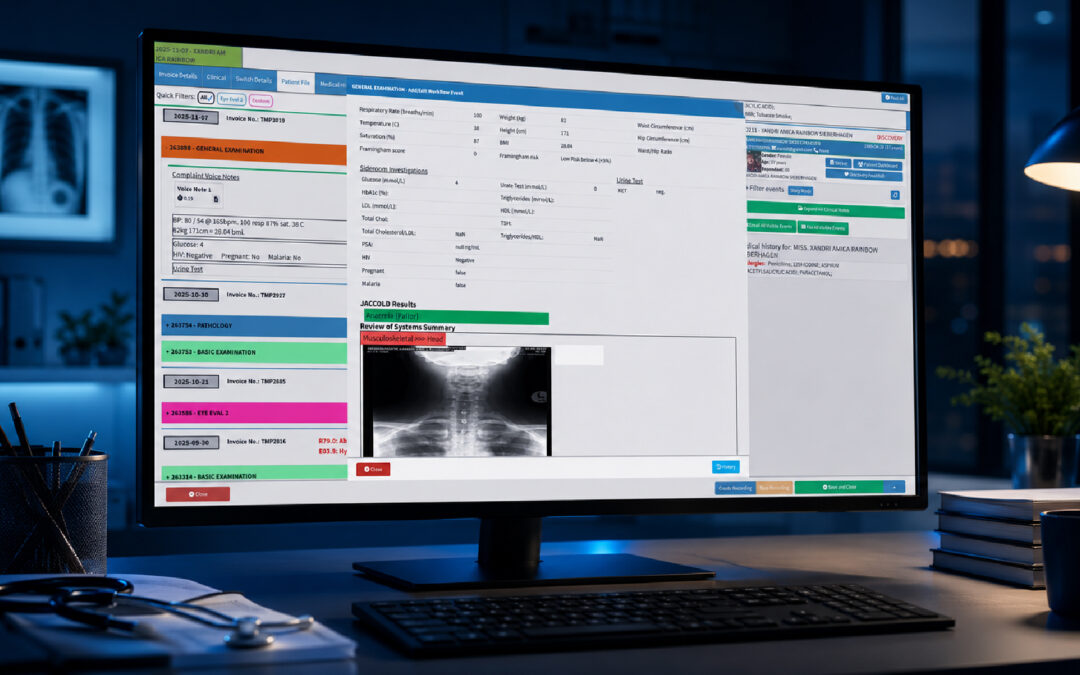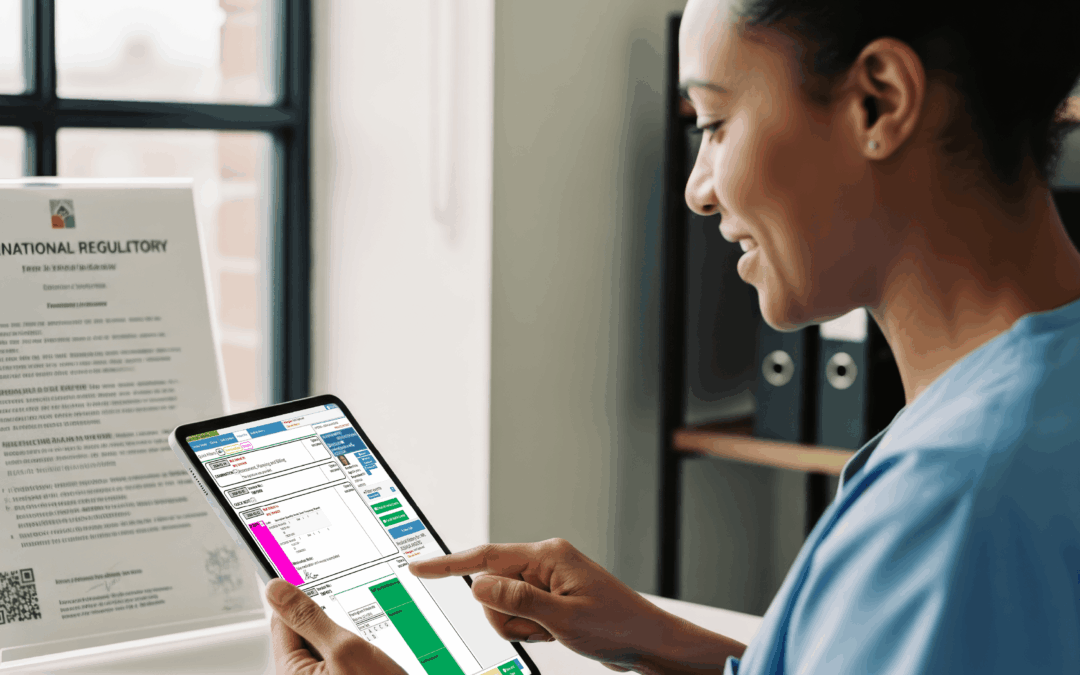
For any medical practice, the billing process sits at the heart of financial health. When it works smoothly, practitioners get paid accurately and on time. When it breaks down, cash flow suffers, staff get frustrated, and patients receive confusing statements. Choosing the right software is one of the most consequential decisions a practice manager can make.
The honest answer to “what is the best software for medical billing?” is that it depends on the size, specialty, and workflow of your practice. But there are core features and principles that separate great platforms from mediocre ones, and understanding those will help you make a confident choice.
What Makes Medical Billing Software Worth Using?
Before comparing platforms, it helps to know what you actually need. Medical billing software should cover the full revenue cycle, from patient registration and appointment booking through to claims submission, payment processing, and reconciliation. The best systems integrate all of these into a single workflow rather than forcing your team to jump between disconnected tools.
Key features to look for include:
-
Claims management: Automated claim creation, real-time eligibility verification, and electronic submission to medical aids or insurers reduce the manual work that leads to errors.
-
Rejection handling: A good platform flags denied claims immediately and provides clear guidance on how to resubmit, rather than letting rejected claims sit and age.
-
Reporting and analytics: Dashboards showing your collection rate, aging accounts, and outstanding claims help you spot problems before they become crises.
-
Integration with clinical records: When billing connects directly to your electronic health records (EHR), coding errors decrease and the billing cycle accelerates.
-
Patient billing and statements: Patients expect clear, accurate statements. Software that automates patient-facing billing reduces queries and improves collections.
According to the World Health Organization, sustainable health financing depends on effective administration and minimal financial leakage. In practice, this means that every claim that is incorrectly submitted or allowed to lapse represents a real cost to the practice and, ultimately, to patient care.
Will AI Replace Medical Billers?
This question comes up often, and it is worth addressing directly. Artificial intelligence is already changing how medical billing works, but it is not replacing billing professionals wholesale. Rather, it is changing what those professionals spend their time on.
AI-powered billing tools can automate code suggestions, flag likely denials before submission, and identify patterns in rejected claims that a human reviewer might miss after reviewing hundreds of records. Natural language processing can extract billing-relevant information from clinical notes, reducing the time coders spend interpreting documentation.
What AI is not good at is judgment. Handling complex edge cases, navigating disputes with insurers, managing patient relationships when billing queries arise, and making decisions in ambiguous clinical scenarios all still require human expertise. The practices that will benefit most from AI in billing are those that use it to remove repetitive low-value work and free their billing staff to focus on exceptions and relationship management.
A research review published in the Journal of the American Medical Informatics Association found that AI-assisted coding tools consistently improved first-pass acceptance rates, but worked best when combined with experienced billing oversight rather than replacing it entirely.
In short: AI will change the job, not eliminate it. Practices that invest in platforms with built-in AI features will have a competitive advantage, but the human element remains essential.
Why GoodX Stands Out as a Medical Billing Solution
GoodX is a full practice management and financial software platform built specifically for medical professionals. Unlike generic accounting tools adapted for healthcare, GoodX was designed from the ground up for the specific workflows, regulatory requirements, and billing structures that medical practices deal with every day.
What sets GoodX apart in the context of medical billing:
-
End-to-end integration: GoodX connects appointment scheduling, clinical notes, coding, claims submission, and payment reconciliation in one platform.
-
Medical aid and insurance compatibility: GoodX supports electronic claims submission to a wide range of medical aids and insurers, with built-in validation to catch errors before submission.
-
Real-time financial reporting: Practice managers and owners can view their financial position at any moment, tracking outstanding claims, payments received, and write-offs in real time.
-
Multi-practitioner and multi-branch support: For practices with multiple practitioners or locations, GoodX handles complex billing structures without requiring separate systems for each.
-
Compliance built in: GoodX stays current with relevant healthcare billing regulations, reducing the compliance burden on practice staff.
GoodX serves practices across multiple countries, adapting to the regulatory and billing landscape of each market while maintaining a consistent, intuitive interface.
The Centers for Medicare & Medicaid Services and equivalent bodies in other regions set clear standards for medical record keeping and billing integrity. GoodX is designed to help practices meet these standards without turning compliance into a full-time job.
Choosing the Right Plan for Your Practice
Not every practice needs every feature. A solo GP with a small patient panel has different needs from a multi-specialty group practice or a hospital outpatient department. When evaluating billing software, think about:
-
Current pain points: Where does your billing process break down today?
-
Volume: How many claims does your practice submit per month? Higher volume justifies more automation.
-
Specialty-specific needs: Some specialties have unique coding and billing requirements.
-
Integration requirements: What systems do you already use? Billing software that integrates with your existing EHR and scheduling tools will save time during implementation.
Frequently Asked Questions
What is the best software for medical billing?
The best medical billing software depends on your practice size, specialty, and workflow. Look for a platform that covers the full revenue cycle, including claims submission, rejection management, real-time reporting, and integration with your clinical records system. GoodX is purpose-built for medical practices and handles all of these in a single integrated platform.
Will AI replace medical billers?
AI is changing medical billing by automating repetitive tasks like code suggestions and denial prediction, but it is not replacing billing professionals. Human judgment remains essential for complex cases, insurer disputes, and patient communication.
What features should I look for in medical billing software?
Prioritise automated claims creation, real-time eligibility verification, electronic submission to medical aids and insurers, rejection tracking, patient statement management, and integrated financial reporting.
How does medical billing software improve cash flow?
By reducing claim errors before submission, catching rejections quickly, and automating follow-up on outstanding claims, good billing software shortens the time between delivering care and receiving payment.
Is cloud-based billing software better for medical practices?
Cloud-based billing software offers significant advantages: automatic updates, access from any device, built-in data backups, and lower upfront infrastructure costs.
Ready to Simplify Your Medical Billing?
GoodX gives medical practices a smarter, more integrated approach to billing, one that reduces errors, speeds up payments, and frees your team to focus on patient care rather than paperwork.